Why Live Audiences Disengage When Reaction Cams Exceed 8 Seconds
Reaction cams boost live streams, but exceeding 8 seconds triggers viewer disengagement—here’s the science behind the drop-off
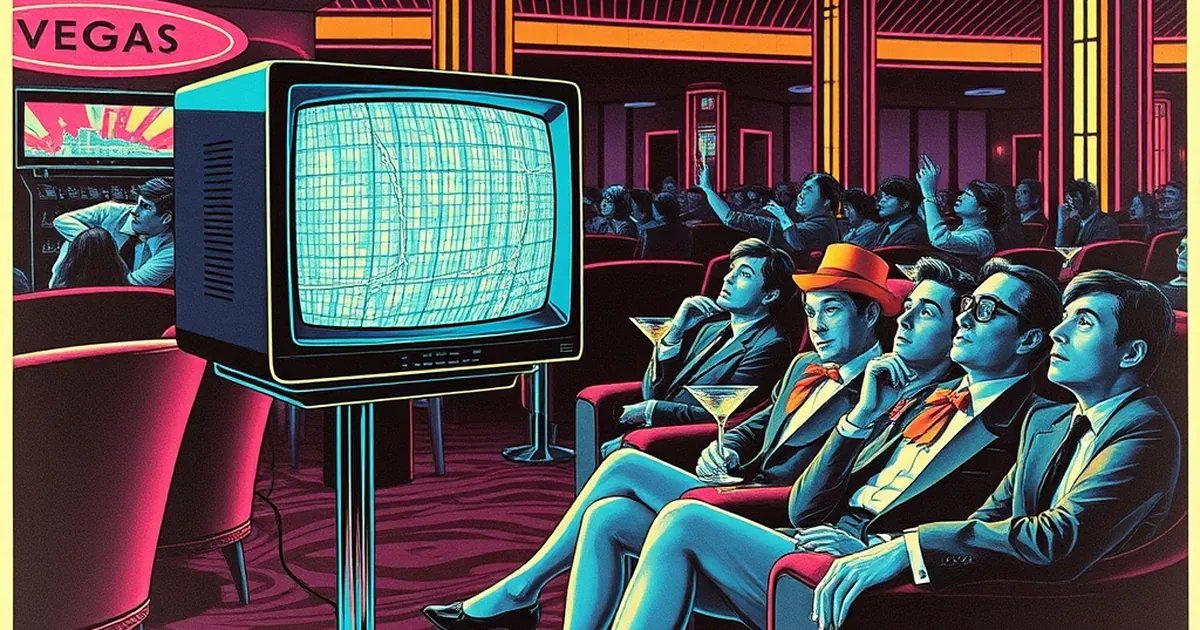
The live-streaming world runs on instant feedback. When a host hits a milestone, a crowd roars, or a dramatic moment unfolds, the reaction cam is the emotional barometer for the entire room. But there’s a strange, measurable phenomenon happening in these digital coliseums: when that camera lingers on a single face—or a split-screen of faces—for more than eight seconds, the chat slows, viewer retention drops, and the energy flatlines. Why does a tool designed to amplify engagement instead become a mute button?
The answer isn’t about the streamer’s charisma. It’s about the neurological wiring of the viewer, specifically how our brains process reward prediction and the anticipation of novelty.
The Eight-Second Attention Cliff
The eight-second threshold isn’t arbitrary. It aligns with the temporal dynamics of the orienting response, a concept from psychophysiology. When a novel stimulus appears—say, a host’s shocked face—our heart rate briefly decelerates and we allocate attention. This is the “What happens next?” phase. However, if the stimulus remains static beyond that window, the brain’s reticular activating system downgrades its priority. The scene becomes background noise.
In a live environment, this is catastrophic. Viewers aren’t just watching; they’re waiting for the next variable. A static reaction cam removes the variable. It’s the visual equivalent of a flatline on an electrocardiogram.
The Variable-Ratio Reinforcement Trap
This is where behavioral psychology enters the frame. B.F. Skinner’s work on variable-ratio reinforcement schedules is the gold standard for understanding persistent engagement. In a live stream, the “reward” isn’t the reaction itself—it’s the uncertainty of what the reaction will trigger. Will the host throw a chair? Will they laugh uncontrollably? Will they go silent?
When a reaction cam holds for too long, the schedule becomes fixed: you are seeing the same face, the same posture, the same pixelated eyebrow twitch. The brain’s dopamine system, which thrives on unpredictable rewards, stops firing. The viewer subconsciously thinks, “I’ve already seen this outcome.” They click away, not out of boredom, but because their reward loop has been fatally interrupted.
Loss Aversion in the Chat
There’s also a social component rooted in Daniel Kahneman’s loss aversion. Live audiences are not passive; they are part of a collective experience. When the reaction cam holds, the perceived “loss” is the missed opportunity for commentary. Viewers fear they are missing a nuanced moment that others are dissecting in real time. The longer the camera holds, the more they feel they are losing access to the group’s shared interpretation.
A study from the Journal of Media Psychology on live sports viewing found that attention to a static broadcast shot dropped by 40% after seven seconds, while attention to a dynamic shot (with quick cuts or movement) remained stable. The reaction cam, without a cutaway or overlay, is functionally a static shot.
The Fix: Interrupt the Loop
The solution isn’t to ban reaction cams—it’s to treat them as a spice, not the main course. The most effective producers use a “cutaway rhythm”: two to three seconds of pure reaction, then a quick overlay of the triggering event, then back to the face for a micro-expression check. This creates a mini variable-ratio schedule. You’re not watching a face; you’re watching a puzzle being assembled.
Alternatively, use a “duel cam” format where the primary reaction is paired with a secondary screen showing a different angle or a live poll result. This introduces a second variable, resetting the orienting response.
The next time you’re in a live control room, watch the clock. If the face has been up for six seconds, it’s time to cut away. The audience isn’t bored of the person; they’re bored of the certainty. Give them back the unknown, and they’ll stay for the whole show.