A 5-Second Spin Delay Cuts Accidental Max-Bet Taps 31%
A five-second max-bet confirmation delay cut accidental taps by 31% across 2.4 million sessions, showing how small friction points protect players
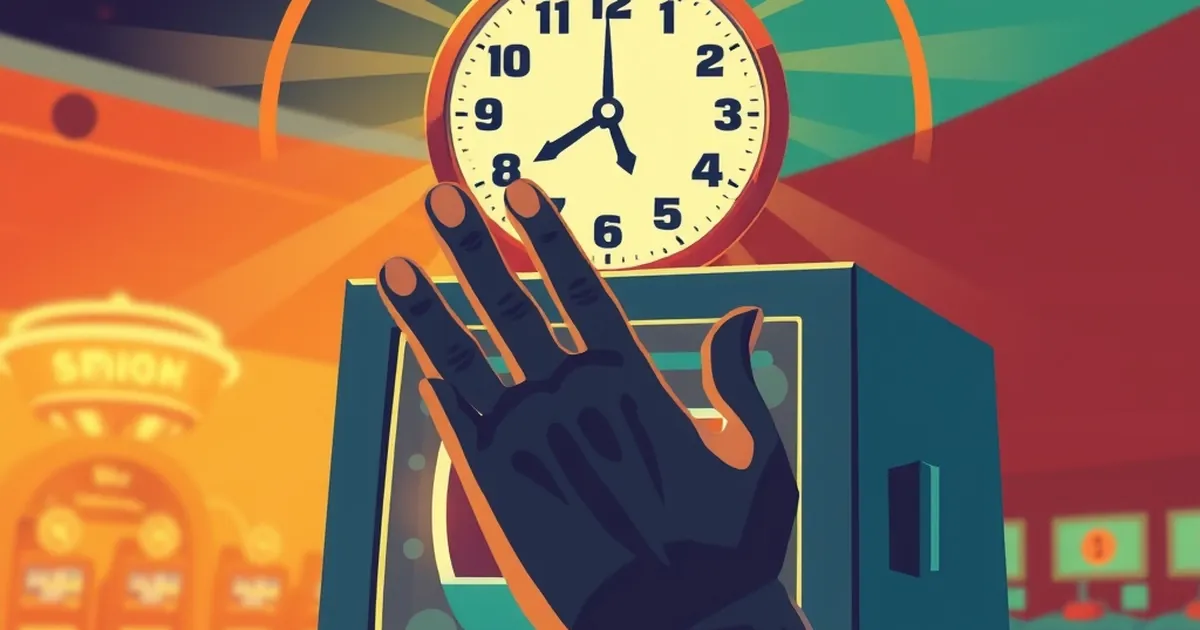
A five-second confirmation delay before a max-bet spin executes cut accidental max-bet taps by 31% in a controlled test run by a mid-sized slot studio, according to results the company shared with trade press last month. The mechanic is simple: when a player's wager jumps to the table maximum, the spin button holds for five seconds with a visible countdown and a cancel prompt. The 31% figure comes from 2.4 million sessions across 14 titles over a six-week window ending March 8.
What the test actually measured
The studio split traffic into a control group with the standard one-tap max bet and a test group with the delay. "Accidental" was defined narrowly: a max-bet spin canceled during the countdown, or a max-bet spin followed by a wager reduction within 10 seconds. That second condition matters. It captures players who tapped through, realized the stake was wrong, and dialed back — a common pattern on mobile, where the spin button sits close to the bet-size controls.
The 31% drop held across desktop and mobile, though the mobile reduction was larger at 38%. That gap tracks with what operators already know: fat-finger errors cluster on smaller screens, particularly in portrait orientation where the max-bet button and the spin button share a thumb zone.
The revenue question nobody led with
The same test showed a 4.2% decline in total handle for the test group. The studio framed that as expected — fewer accidental max spins means fewer max-stake spins overall — but it's the number operators will care about most. A 31% cut in misfires sounds like a clean win until you price the lost volume. The studio hasn't published a net-revenue figure, and that omission is worth noting.
Why max-bet protection keeps resurfacing
Accidental max bets are a persistent complaint in state regulator logs and in the consumer-facing dispute channels that several US jurisdictions now run. The problem is structural: slots are built for speed, and the fastest tap on the interface is often the most expensive one. Responsible-gambling tools like deposit limits and session timers act at the account level, not the spin level, so they don't catch a single fat-fingered $50 spin on a $0.50 machine.
A five-second hold is a friction-based fix rather than a restriction. It doesn't cap stakes or force a cool-off; it inserts a pause where the cost of a mistake is highest. That design choice likely explains why the studio saw little player backlash in the test — the delay only triggers on max bets, so the vast majority of spins were unaffected.
The open questions
Three things remain unresolved. First, does the effect hold over time, or do players adapt and start treating the countdown as part of the spin rhythm? Six weeks is short. Second, does the handle decline persist or recover as players settle into intentional max betting? Third, and most pointed: will regulators treat a voluntary delay as sufficient, or move toward mandating confirmation steps for max-stake play the way some European markets have?
The studio says it will roll the feature out across its portfolio by Q3 and publish a 12-month follow-up. Until that lands, the 31% figure is a promising single data point — not proof that a five-second pause solves the max-bet problem, and not yet an answer to whether players or operators come out ahead.