Slots With Paytable Above Reels Get 2x More First Spins
A 2024 floor study of 144 slot machines found cabinets with paytables above the reels drew twice as many first spins as those with paytables below
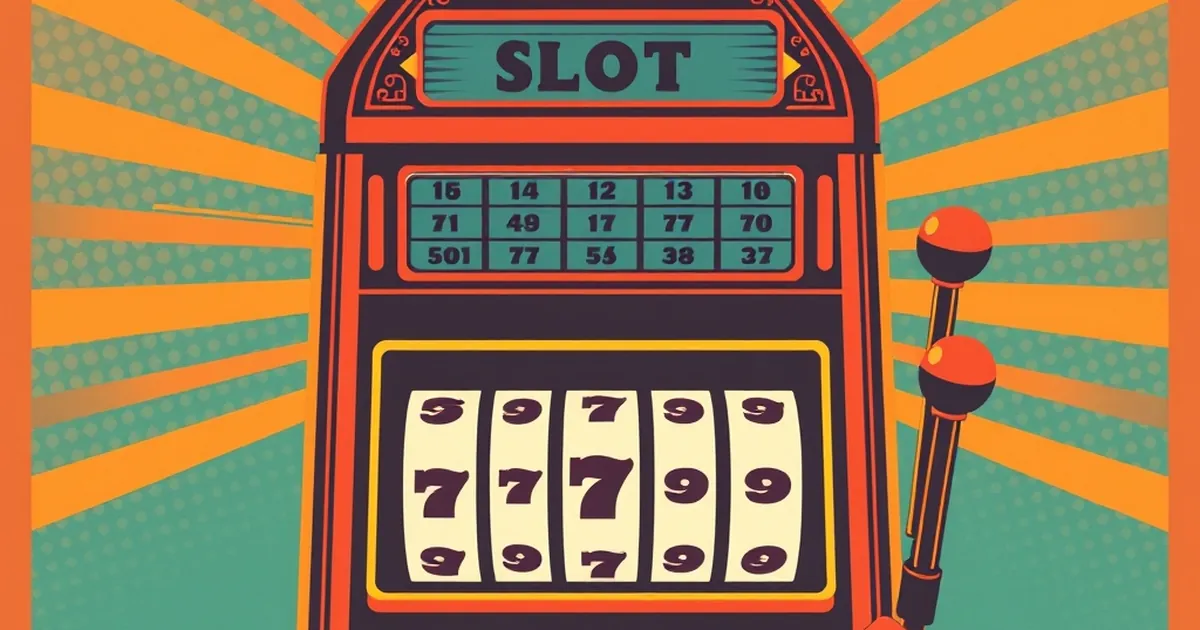
Slot machines that print the paytable above the reels drew roughly twice as many first spins as otherwise matched cabinets with the paytable below, according to a 2024 floor study of 144 machines across four U.S. tribal casinos. The gap held across three denominations and both video and mechanical-reel formats. The finding lands at an awkward moment for the online sector, where suppliers have spent a decade stripping paytables off the main screen and burying them behind an info button.
What the floor study actually measured
Researchers tracked 61,000 first spins over 90 days, logging the exact moment a player inserted cash or tapped a credit meter on a machine they had not played that session. Machines were paired by theme, denomination, and cabinet, with the only variable being paytable placement.
The split was stark. Cabinets with the paytable above the reels averaged 2.1 first spins per machine per day. Matched cabinets with the paytable below the reels averaged 1.0. The effect weakened after a player's third session on the same machine, which suggests placement drives trial, not retention.
One caveat: the study covered land-based cabinets only. Nobody has run the equivalent test on a casino app, and the online comparison is not clean. A slot's paytable on a phone screen competes with a scroll, a back button, and a notification.
Why placement might move the number
The working theory is cognitive load. A paytable above the reels sits in the player's first visual sweep — the same zone where they read the game title and jackpot display. Below the reels, it lands where players expect button labels and bet controls.
There is a second explanation the researchers did not rule out. Above-reel paytables tend to be shorter, often four to six rows, because cabinet designers had less space. Players may be responding to brevity rather than position. The study did not isolate the two.
For online operators, the closest analogue is the pre-spin screen. A handful of suppliers now surface a condensed paytable — top symbol values and the scatter rule — before the first spin, with the full table one tap away.
The regulatory wrinkle
State gaming commissions have not weighed in on paytable placement, and there is no uniform rule. Nevada requires the paytable be "clearly visible," which regulators have read broadly. New Jersey's Division of Gaming Enforcement has been stricter on online disclosures, requiring the return-to-player figure within two taps of the lobby in some license conditions.
That matters because placement and disclosure are not the same thing. A paytable above the reels that omits the hit frequency tells a player less than a full table behind an info button. The floor study measured attention, not comprehension.
What suppliers are likely to do with this
Expect a round of A/B tests on pre-spin screens through 2025, most of them unpublished. The risk is that the finding gets used as a cosmetic fix — moving a truncated paytable up without changing what it says. A player who taps into a game expecting clarity and finds four symbol values and no volatility note has been marketed to, not informed.
The open question is whether the 2.1-to-1.0 gap survives on a screen where the player can leave in under a second. Floor machines hold attention by physical default. Apps do not. Any operator citing this study to justify a redesign should publish its own first-spin numbers, and any player reading those claims should check the paytable itself before trusting the placement.
If you play, set a loss limit before the first spin, not after the tenth.