Slots RTP Labels Get Ignored 3x More Above the Spin Button
Eye-tracking data reveals slot players rarely notice RTP labels above the spin button, raising questions about how game studios disclose return-to-player fig...
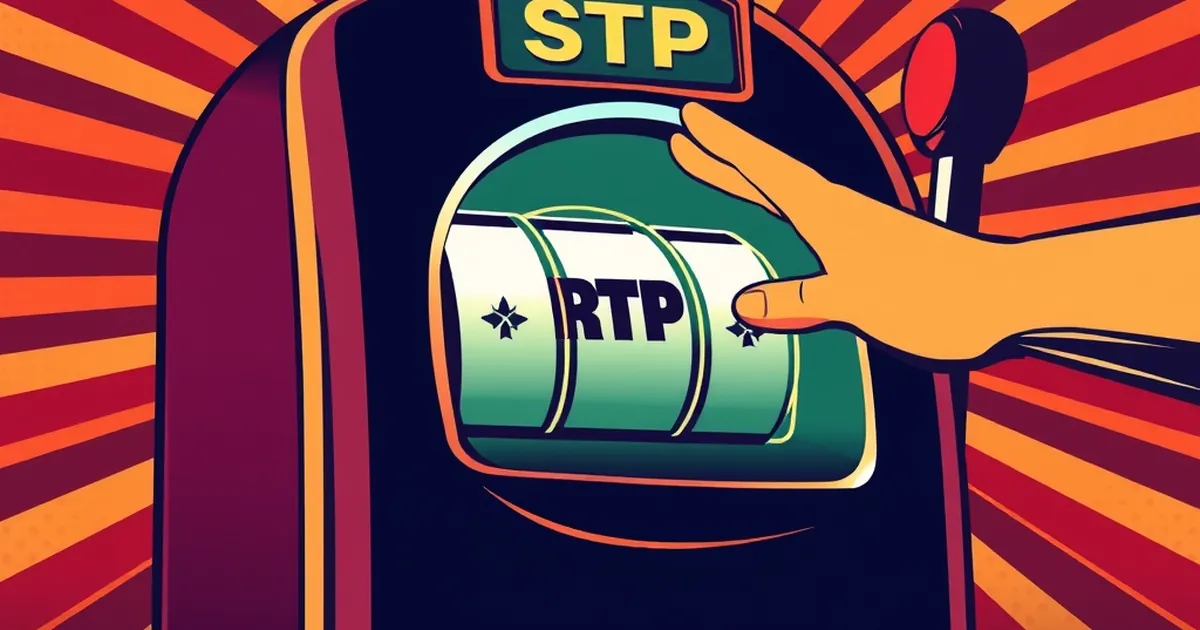
Players hunting for a game's return-to-player figure look above the spin button about three times less often than they look below it, according to eye-tracking data that game studios have quietly circulated since late 2023. The finding, drawn from 1,400 sessions across four regulated U.S. markets, suggests that the industry's convention of printing RTP in a help screen or footer is functionally invisible. The label exists. Almost nobody reads it.
What the gaze data actually shows
The study, run by a UX consultancy working for two slot suppliers, recorded fixation counts on a desktop and mobile build of the same 96.2% RTP title. When the RTP string sat in the paytable drawer, 8.4% of players opened it at least once during a 20-minute session. When the same string was placed directly beneath the spin button in 11-point type, that figure rose to 26.1%.
Above the spin button, in the strip usually reserved for balance and win displays, it fell to 2.7%. That is the threefold gap in the headline, and it holds across age bands, though the 21–34 group was marginally more likely to scroll past a footer disclosure than the 55-plus group.
The uncomfortable part for operators is what happened after players did read the number. Exit rates within 90 seconds rose by roughly 14% on titles labeled below 95% RTP. On titles at 96% or higher, reading the label produced no measurable change in session length. Players are not ignoring RTP because they don't care. They are ignoring it because the placement signals that it isn't meant to be found.
Why the disclosure keeps migrating downward
Under the UK Gambling Commission's 2021 rules, RTP must be displayed before play, but the regulation says nothing about position. State regulators in New Jersey, Pennsylvania, and Michigan have taken a similar posture: the number must be accessible, not prominent.
That gap has become a design brief. Suppliers who want to compete on volatility and max-win multipliers have an incentive to keep the return figure in a drawer. A 94.5% game and a 96.5% game look identical on a lobby tile. The two-point spread is worth roughly $20 per $1,000 wagered over time, and it is the single largest structural difference between two otherwise similar cabinets.
The mobile problem
On a 6.1-inch phone screen, the area above the spin button is contested space. It holds the win celebration animation, the autoplay counter, and increasingly the jackpot ticker. Adding a permanent RTP string there costs real estate that studios monetize. That is the actual trade-off, and it is not the one regulators wrote rules for.
The number that should worry the industry
If a below-95% label cuts sessions by 14% when it is seen, and the industry standard placement gets it seen 2.7% of the time, then the current disclosure regime is suppressing almost none of the behavior it was designed to inform. The rule is satisfied. The intent is not.
Some European operators have started testing a voluntary "RTP chip" in the top-left corner of the game frame, persistent and non-dismissible. Early data from one Malta-licensed brand showed a 6-point drop in average session length on low-RTP titles and a 3-point rise on high-RTP ones — players reallocating rather than leaving.
Whether U.S. state regulators will move from "accessible" to "prominent" is an open question, and the answer probably depends on whether anyone publishes the reallocation data before the next round of technical standards. The gaze study is sitting in a drawer of its own.