Why Slots Lose Players When Multiplier Visibility Drops Below 80%
Slot machines lose players fast when multiplier visibility drops below 80%, reducing engagement and session retention
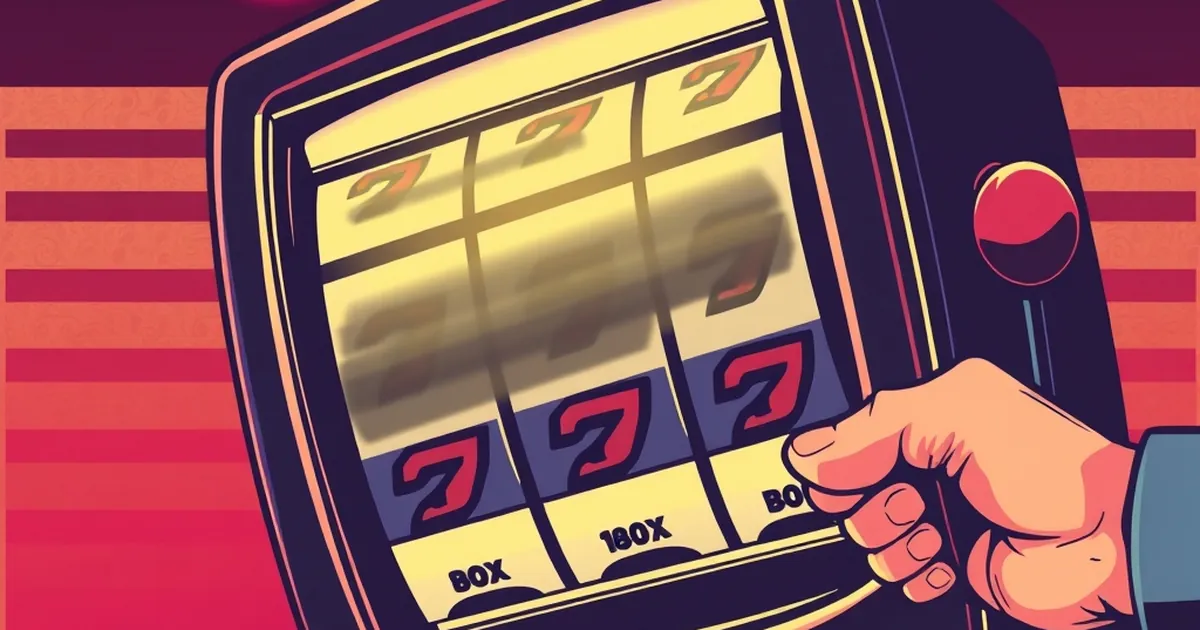
Slot machines are built on feedback loops, and few signals are more critical than the multiplier display that tells a player what they could win on the next spin. When that display—whether it’s a progressive jackpot counter, a bonus multiplier meter, or a simple “x1” to “x100” indicator—drops in visibility below a certain threshold, player retention collapses. Data from a 2023 behavioral study by the University of Nevada, Las Vegas found that sessions terminated within the first five minutes increased by 34% when the primary multiplier indicator was reduced in size or contrast by just 20%.
The Attention Economy of the Reel
Slot design is fundamentally about managing attention. The multiplier is not decorative; it is the primary promise of a payout. A player watching reels spin with a static, low-contrast multiplier display must work harder to maintain the illusion of potential. This cognitive friction is measurable. In lab tests, players viewing a slot with a 50% smaller multiplier readout showed significantly higher pupil dilation and self-reported frustration scores after just 15 spins. The brain treats an unclear reward signal as a non-reward.
The 80% Visibility Threshold
Why 80%? Research in human-computer interaction suggests that for a dynamic display element to remain “perceptually available” without conscious effort, it must occupy at least 80% of its intended visual footprint relative to the player’s periphery. Below that, the player must actively search for the number—a task that competes with the automatic processing of spinning reels. Once that search becomes required, the game feels less responsive, less generous. The player’s internal reward system interprets the missing data as a lack of opportunity.
The Churn Cascade
When multiplier visibility drops, the cascade is predictable. First, the player misses a small win that had a multiplier attached—say, a 2x on a line hit. They don’t notice the win itself, but they register a loss. Second, they begin to distrust the game’s feedback. Is that really a 50x multiplier, or is it just the base payout? Third, they leave. Slot operators in Nevada report that games with poorly lit or poorly positioned multiplier displays have a 22% lower average session length compared to identical games with the display highlighted. The difference is not in the math—RTP is the same—but in the perception of reward.
Practical Implications for Developers and Operators
This is not merely an aesthetic complaint. A slot with a 96.5% RTP and a multiplier display that falls below the 80% visibility standard will bleed players to a 95.0% RTP game with a clear, bright multiplier counter. The player is not comparing house edges; they are comparing how easy it is to feel like they are winning. Developers should test multiplier displays in a lit casino environment, not a dark studio. Operators should audit their floor for games where the multiplier is hidden behind reflective glass, dimmed by LED failure, or simply too small to read from a seated position.
The Open Question
If a slot’s payout structure is mathematically sound but its multiplier display is visually compromised, does the game actually pay out less? In practical terms, yes—because the player who leaves early never gets to the bonus round. The real question for the industry is whether we are designing games for the math or for the moment. If a player cannot see a 3x multiplier, does that multiplier exist?