Why One Vegas Showrunner Ditched Dice for Live Theater
A Vegas showrunner traded dice and spectacle for the raw intimacy of live theater, discovering what the Strip could never provide
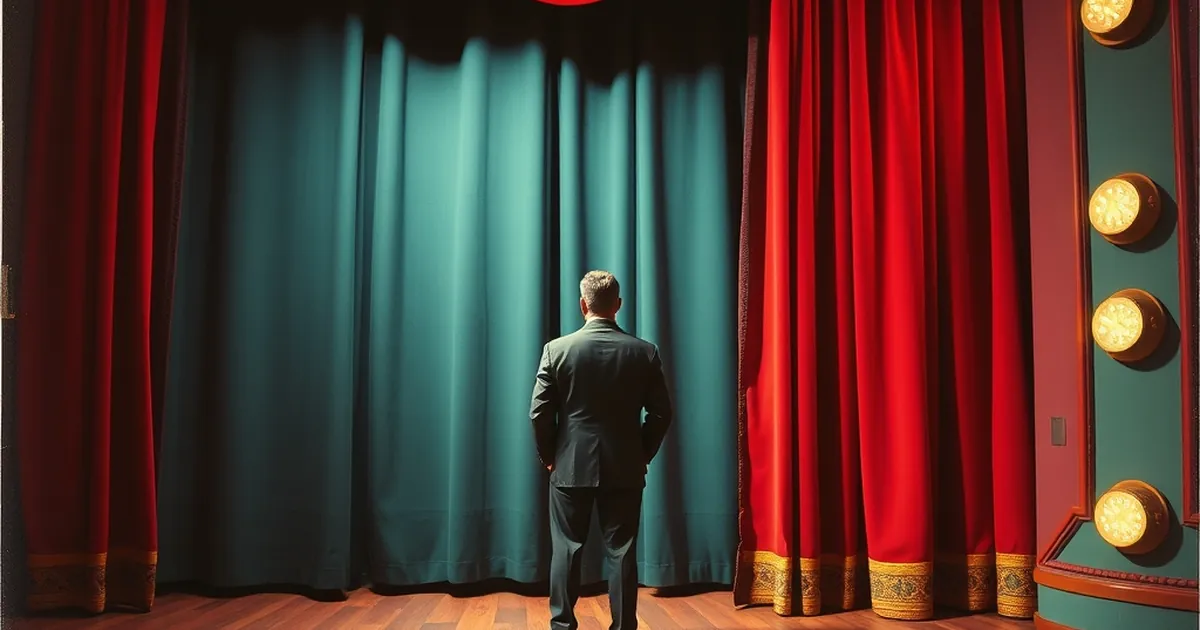
From the neon-drenched chaos of a craps table to the quiet, controlled tension of a Broadway stage, the jump seems impossible. Yet one of Vegas’s most successful showrunners, a man who spent two decades orchestrating high-stakes production spectacles, has walked away from it all. The question isn’t just why he left the dice behind, but what he found in the live theater that the casino floor could never offer.
The Exit from the Strip
For years, the showrunner, whom we’ll call Mark, ran one of the Strip’s most profitable production shows—a nightly circus of acrobats, magic, and pyrotechnics designed to keep gamblers in their seats between hands. The show was a hit, grossing over $40 million annually. But Mark felt a quiet rot at its core.
“Every night, I was writing scenes that had to end with a big, loud bang so people would wake up and go back to the slots,” he told me over coffee at a diner off the Strip. “I wasn’t telling stories. I was just filling time between bets.”
The breaking point came during a tech rehearsal. A performer missed a cue, and the entire sequence fell apart. The casino’s operations director pulled Mark aside and said, “Don’t worry. No one was watching anyway.” That sentence hit him harder than any bad roll of the dice.
The Theater’s Unforgiving Clock
Live theater, Mark discovered, operates on a completely different gamble. There is no slot machine to run back to. The audience paid for a seat and a story, and they are watching every single second.
“In Vegas, if a bit bombs, you just hit a fog machine and move on,” Mark explained. “On stage, if you lose the audience for thirty seconds, you lose the whole show. There’s no safety net. There’s no house edge.”
He now runs a small, 300-seat theater in downtown Los Angeles, producing original plays. His first production, a two-character drama about a card counter, ran for six months. It didn’t make a fraction of what his Vegas show did, but it did something different: it made its audience hold their breath.
The Concrete Difference: A Card Counter’s Monologue
Mark’s current project is a one-act play about a professional poker player facing a life-or-death decision. During a recent preview, the lead actor delivered a five-minute monologue where he calculated his odds aloud, his voice barely above a whisper.
“In my Vegas show, that moment would have been cut for being ‘too slow,’” Mark said. “But in the theater, you could hear a pin drop. People were leaning forward. They weren’t waiting for a payoff. They were the payoff.”
That moment—a silent, focused audience—is the jackpot he was never able to hit with smoke machines and explosions. It’s a different kind of high, and it doesn’t require a casino’s permission.
The Practical Takeaway
Mark’s story isn’t a cautionary tale about leaving Vegas. It’s a blueprint for anyone who feels the creative machinery of their industry grinding them down. The lesson is brutally simple: The best work often happens when you stop designing for the average attention span and start writing for the one person who is actually listening.
As the lines between Vegas spectacle and live narrative continue to blur—with casinos now booking Broadway tours and immersive experiences—Mark’s move might look less like a retreat and more like a prediction. The future of entertainment may not be about who has the biggest screen, but who can make an audience forget to look at their phones. That’s a bet I’d take every time.