Why One Casino Showroom Stopped Serving Alcohol Mid-Show
Discover why top casino showrooms are cutting off alcohol mid-show—a strategic shift that surprises guests and redefines hospitality
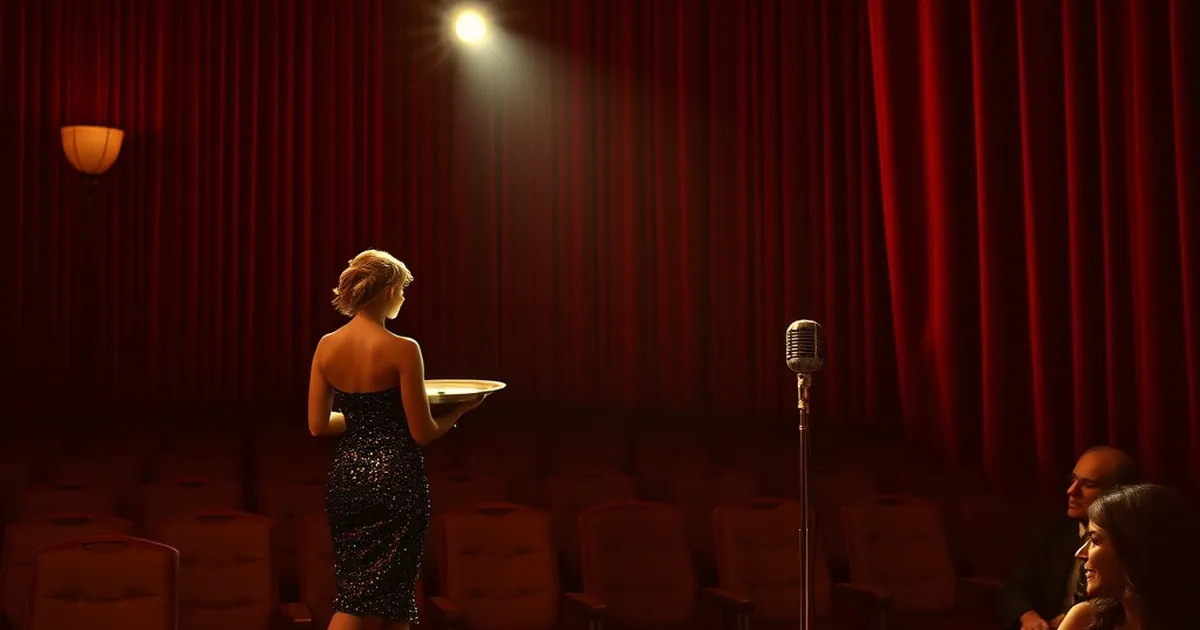
You’re three bets into a hot craps streak at the casino, your drink is perfectly chilled, and the headliner is about to hit the stage. Then, right before the big finale, the waitress walks past your table without stopping. The bar is closed. The show is still going. Why in the world would a casino showroom, a venue built on hospitality and high rollers, cut off the booze mid-performance?
It sounds like a party foul, but a growing number of top-tier casino theaters are doing exactly that. The reason isn’t a shortage of vodka or a stingy management team. It’s a calculated shift in how these venues protect their biggest asset: the live experience itself. For the modern casino, keeping the crowd engaged and safe now outweighs the profit from one last round of cocktails.
The Real Culprit: Disruption and Liability
You Didn’t Come for the Bar Tab
Let’s be honest. A casino showroom is not a dive bar. People drop hundreds of dollars on a ticket to see a comedian, a magician, or a legendary band. The primary product is the performance, not the beverage. When a patron gets sloppy drunk during the opening act, they don’t just annoy the person next to them—they ruin the vibe for an entire section.
Casinos have realized that a single heckler or a fan who stumbles into the stage can tank a $500,000 show. Cutting off alcohol an hour before the final curtain is a blunt but effective way to ensure the headliner doesn’t have to compete with a loud, intoxicated audience member. It protects the integrity of the performance and the reputation of the venue.
The Liability Hammer Isn’t Worth It
Here’s the part that keeps general counsels up at night. If a patron gets overserved and then stumbles into the parking garage, the liability falls squarely on the casino. In states like Nevada and New Jersey, dram shop laws are strict. A single lawsuit from a drunk-driving accident linked to an overserved guest can cost millions.
By stopping service during the final act, the venue builds in a "sobering window." That last hour on stage gives the alcohol time to metabolize before the crowd floods the casino floor or the parking lot. It’s a risk management play disguised as a house rule. The casino would rather lose a $15 drink sale than face a $15 million lawsuit.
A Concrete Example: The Mirage’s Beatles Revolution
Think back to the days of The Beatles LOVE at The Mirage in Las Vegas. That show was a sensory overload of acrobatics and surround sound. The venue famously implemented a strict cut-off about 45 minutes before the end of the performance.
Why? Because the finale—a booming, psychedelic sequence—required total audience focus. A drunk patron stumbling to the bathroom during that moment would break the spell for everyone. The venue chose artistic integrity over the bar tab. It worked. The show ran for 18 years and was a critical darling. The audience didn’t revolt; they applauded.
What This Means for You, the Gambler
So, what’s the practical takeaway for a savvy casino visitor? Plan your consumption. If you know the show has a two-hour runtime, front-load your drinking during the first 45 minutes. Order a double early, or switch to a craft cocktail that you can sip slowly.
More importantly, respect the rule. It’s not there to ruin your night. It’s there to make sure the performer on stage isn’t upstaged by a drunk in the fourth row. Casinos are getting smarter about curating the experience, not just the cash register. The next time you see that last-call sign flicker on during a show, don’t groan. Take a sip, sit back, and enjoy the finale. That’s the real jackpot.