Why One Casino Showroom Quietly Cut Its Poker Tables
Discover why a beloved Vegas casino showroom quietly removed half its poker tables and what it signals for the industry
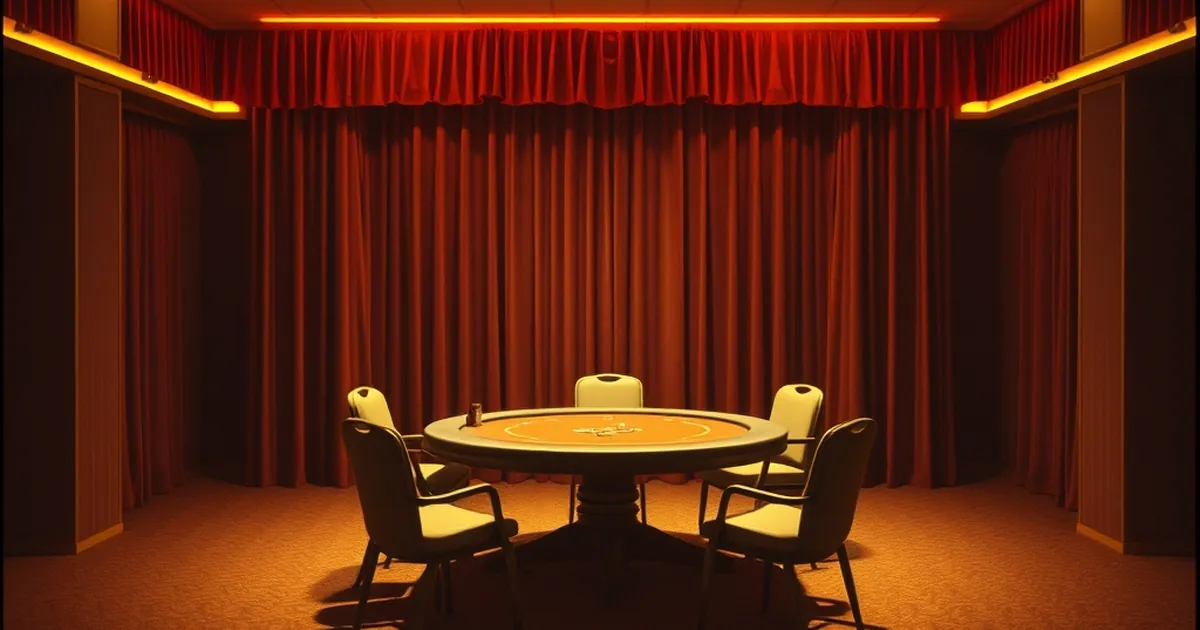
When you walk through the carpeted halls of the Sunset Strip’s mid-tier casino resorts, the sound is unmistakable: the crisp shuffle of cards, the clatter of chips, and the low murmur of players calling “check” or “raise.” So when word got out that the Galaxy Star Showroom—a modest but well-loved property just off the main Vegas drag—had quietly removed half its poker tables last month, it raised eyebrows among regulars and industry watchers alike. The question isn’t whether poker is dying, but rather why a venue that prided itself on a “real gambler’s vibe” would pull the plug on a game that once defined its identity.
The Numbers Behind the Felt
The showroom’s poker room had been a fixture for over a decade, offering a mix of $1/$2 no-limit hold’em and occasional Omaha games. On the surface, it seemed like a reliable revenue stream. But the reality, as one floor manager told me off the record, was that the table occupancy rate had dropped below 40% on weeknights for the past two years.
The Squeeze of the House Edge
Poker is unique in the casino ecosystem because the house doesn’t play—it collects a rake. That rake, typically 10% of the pot up to a few dollars, is thin compared to the margins on slots or blackjack. For a showroom that relies on high foot traffic and quick turnover, the math stopped adding up. When you factor in the cost of dealers, supervisors, and the square footage devoted to a game that sometimes runs empty, the poker tables became a net drain.
The Shift in Player Behavior
It’s not just the casino’s bottom line that changed. The players themselves have migrated. A decade ago, a mid-tier showroom like Galaxy Star could count on a steady stream of local grinders and tourists looking for a low-stakes game. Today, those same players are either heading to the mega-resorts on the Strip or, more commonly, logging into online poker rooms from their living rooms.
The Rise of Digital Alternatives
A regular named Dave, who used to play three nights a week at the showroom, told me he now plays on his phone during his lunch break. “Why drive 20 minutes, wait for a seat, and pay a rake when I can fire up an app and be in a hand in 30 seconds?” he said. His sentiment is shared by a generation of players who value convenience over atmosphere. The showroom’s decision, in that light, was less a surrender and more a strategic retreat.
What Replaces the Tables?
The space where those poker tables once stood isn’t gathering dust. The casino quickly installed four new electronic roulette terminals and two high-limit blackjack tables. The change happened over a single weekend, with few patrons even noticing.
The Allure of Automated Gaming
Electronic table games require fewer staff, generate a steadier house edge, and appeal to the same demographic that once sat for hours at a poker table. They also offer faster play, which means more hands per hour—and more revenue for the house. For a showroom that competes with bigger neighbors, this is a rational pivot. The poker room’s loyalists may grumble, but the casino’s quarterly reports will likely thank them.
A Practical Takeaway for the Player
If you’re a poker purist, this trend is unsettling. But it also signals an opportunity. As mid-tier showrooms shed their poker tables, the remaining rooms in larger properties become more concentrated and often more competitive. The smart move is to seek out those rooms that are doubling down on poker—offering better promotions, deeper tournament structures, and more consistent action. The game isn’t going away; it’s just consolidating. And the players who adapt, who follow the action instead of the nostalgia, will be the ones still stacking chips five years from now.