Why Live Shows Are Replacing Magicians With Mentalists
Discover why mentalists are overtaking magicians in live shows, tapping into our fascination with mind-reading and the illusion of control
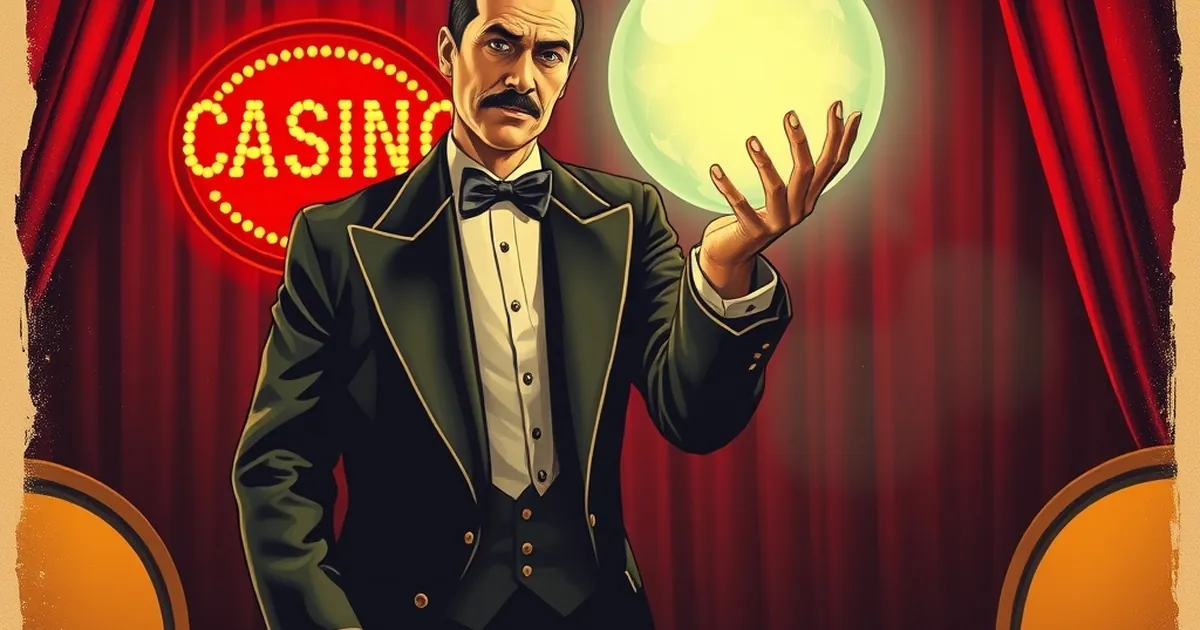
Walk into any casino showroom or Vegas headliner lounge these days, and you’re increasingly likely to see a mentalist, not a magician, holding the spotlight. The classic top-hat-and-rabbit act isn’t dead, but it’s quietly being edged out by performers who claim to read minds and predict behavior. The question isn’t whether audiences have changed—it’s why we’ve become so hungry for the illusion of control over our own minds.
The Shift From “How’d He Do That?” to “How Did He Know That?”
For decades, magic relied on pure deception of the eye—a card vanishes, a coin reappears, a woman gets sawed in half. The payoff was the secret. Once you knew how it was done, the trick lost its power. Mentalism flips that script. When a performer correctly guesses your mother’s maiden name or reveals the exact dollar amount in your wallet, the mystery isn’t in the method—it’s in the implication.
Audiences today are more skeptical of visual trickery. We’ve all seen YouTube slow-motion breakdowns and camera-phone exposés. But mentalism feels personal. It taps into a deeper anxiety: Can someone actually get inside my head? That question keeps people glued to their seats long after the show ends.
Why Casinos and Resorts Are Betting on Mentalists
The High-Stakes Environment
Casinos are built on probability and psychology. A mentalist fits that atmosphere better than a magician pulling doves out of a scarf. Shows like The Mentalist (yes, the TV show) and live acts from performers like Derren Brown or The Amazing Johnathan have proven that audiences will pay premium prices for what feels like a peek behind the curtain of human behavior.
Engagement Over Spectacle
Magicians rely on props—tables, decks, boxes. Mentalists often work with nothing but a microphone and a notebook. That minimalism is a huge advantage in a venue where the house is already competing with slot machines, poker tables, and cocktail service. A mentalist can walk through the crowd, interact with a single guest, and create a moment that feels completely unrepeatable.
The Concrete Example: The $100 Bill Trick
I watched a mentalist in a mid-tier Reno casino last month. He asked a woman to write down a number between 1 and 100 on a napkin, then seal it in an envelope. He then had a random man from the audience shout out a number. The man yelled “73.” The mentalist opened the envelope. The napkin read “73.” The audience gasped. Then he said, “Now, look at the serial number on the bill in your left pocket.” The woman pulled out a $100 bill. The last three digits were 7-3-1.
Was it a plant? A confederate? A complex system of psychological forcing? The crowd didn’t care. They just wanted to believe.
Practical Takeaway for Showrunners and Venue Owners
If you’re booking entertainment for a casino floor, lounge, or even a private corporate event, the data is clear: mentalism drives longer dwell times and higher repeat attendance. The reason is simple—it creates a shared experience that feels intimate, not performative. A good mentalist doesn’t just entertain; he makes the audience feel like they’re part of a secret.
As technology gets better at tracking our every click and swipe, the hunger for human mystery only grows. The next big act might not be a person who can vanish a car—it’ll be the one who can tell you what you’re thinking before you even say it. That’s not magic. That’s the future.