Why Las Vegas Magicians Are Dropping Gambling Stunts
Discover why top Vegas magicians are abandoning gambling stunts amid Nevada's tightened regulations and shifting entertainment trends
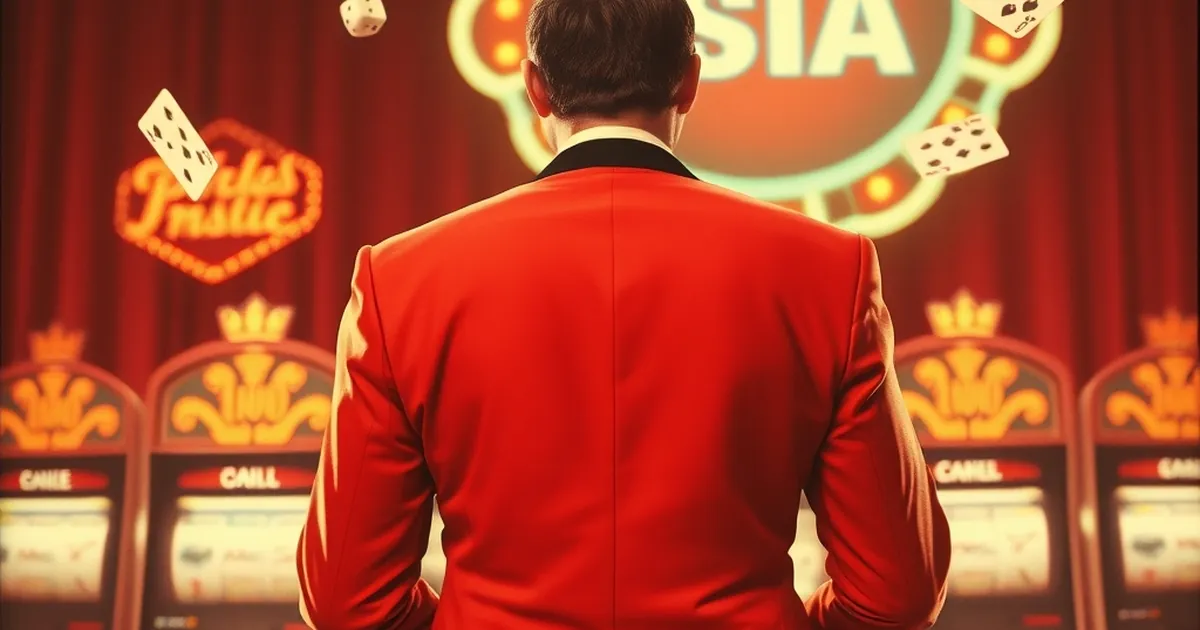
The lights dim, the crowd hushes, and a magician on the Las Vegas Strip prepares to pull off the impossible. But instead of predicting a card or making a tiger vanish, he’s about to roll a pair of dice—and risk his entire career on the outcome. For decades, gambling stunts were the bread and butter of Vegas illusionists, a perfect marriage of high-stakes risk and theatrical showmanship. Yet, if you scan the marquees today, you’ll notice a quiet but significant shift: the biggest names in magic are dropping these acts entirely.
The Shifting Legal Landscape
Nevada’s Tightened Regulations
The most immediate reason for this trend is a crackdown on what regulators consider “simulated gambling.” While a magician rolling dice on stage sounds harmless, the Nevada Gaming Control Board has grown increasingly concerned about acts that blur the line between performance and actual wagering. In recent years, the Board has issued stricter guidelines, requiring that any magic trick involving casino equipment be clearly labeled as an illusion, not a demonstration of skill or luck. This has made it legally risky for headliners to perform classic routines like the “dice stack” or “card throw” that once wowed audiences.
The Fear of Audience Confusion
Regulators aren’t just worried about the show itself; they’re worried about the message it sends. If a tourist sees a magician win a massive jackpot with a single roll, they might leave the theater thinking they can replicate the feat. This has led to a chilling effect, where major productions now pre-emptively cut any segment that could be misinterpreted as a gambling tutorial. The result? A whole genre of magic is vanishing from the Strip, replaced by safer, more cerebral acts.
The Business Case for Ditching Dice
Branding and Family Appeal
Casinos are no longer just for high-rollers; they’re competing for the family dollar. Shows like The Beatles LOVE by Cirque du Soleil and Absinthe draw massive crowds without a single blackjack reference. Magicians have followed suit. David Copperfield, the king of Vegas magic, has long emphasized storytelling over gambling stunts, and his formula works. By removing gambling references, these shows become more marketable to a broader audience—tourists who don’t gamble but still want a night of wonder. It’s a pure business decision: the family market is bigger and more reliable than the niche of hardcore gamblers who also want a magic show.
The Rise of “Smart” Magic
There’s also a creative evolution at play. The new generation of Vegas magicians, like Shin Lim and Mat Franco, have built careers on sleight of hand and intricate puzzles, not dice or card counting. These performers understand that modern audiences are more impressed by a perfectly executed coin vanish than a simulated craps win. A concrete example: in 2023, the popular show Opium at The Cosmopolitan completely removed its “gambling wheel” segment after test audiences found it confusing and dated. The replacement was a stunning visual illusion involving levitation, which generated far more social media buzz.
A Forward-Looking Note for Showgoers
The death of the gambling stunt doesn’t mean the end of high-stakes magic. Instead, it signals a maturation of the industry. If you’re planning a Vegas trip, don’t look for the magician who bets his life on a roulette spin; look for the one who makes you forget the casino floor even exists. The best shows today are about the impossibility of the moment, not the odds of a bet. And that’s a gamble worth taking.