Why Casino Theater Design Hijacks Your Gambling Budget
Casino floor design uses theater tricks to disorient you and drain your gambling budget before you even place a bet
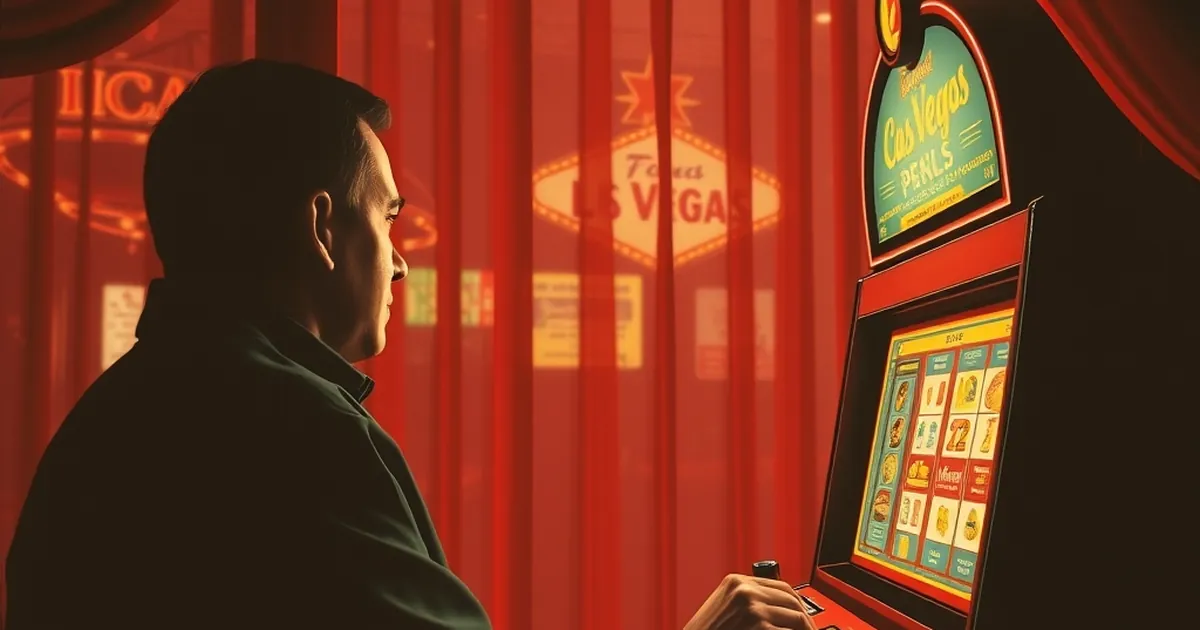
You walk into a casino, and within seconds, your hand is reaching for your wallet. But that impulse isn’t an accident—it is the result of a meticulously engineered environment designed to separate you from your money. The question isn't whether you have the willpower to resist, but whether the theater of the casino floor has already hijacked your budget before you even placed a bet.
The Architecture of Disorientation
Casino designers borrow heavily from the playbooks of theme parks and Broadway stagecraft. The goal is to keep you inside, oriented toward the machines, and blissfully unaware of the passage of time.
The Maze Without Clocks or Windows
You will rarely see a clock on a casino floor, and windows are almost non-existent in the gaming areas. This is deliberate. Without natural light or time cues, your brain loses its anchor. A two-hour session can feel like twenty minutes, and that feeling of “just getting started” keeps you feeding the machines long after your planned budget is gone.
The Curved Path That Traps You
The layout forces you to walk through rows of slot machines to reach the bar, the restroom, or the exit. Every path is a gauntlet of flashing lights and sounds. I spoke with a retired floor manager from a Las Vegas property who told me, “We placed the cash machines and the exits as far apart as possible. You had to walk past $10,000 worth of temptation to leave.”
The Sensory Assault on Your Wallet
Every element of the casino floor is a cue designed to trigger a Pavlovian response. The sights, sounds, and even the air quality are calibrated for one purpose: retention.
Winning Sounds Are Louder Than Losing Silence
Slot machines are programmed to produce celebratory noises for near-misses and small wins. The machine doesn’t announce when you lose. This asymmetry creates a false impression that winning is frequent. Your brain registers the cascade of sound as progress, even as your credit meter ticks downward.
The Oxygen Myth and the Chilled Air
There is a persistent myth that casinos pump extra oxygen into the air to keep gamblers alert. While that’s not true, they do keep the air temperature cool and dry. This prevents drowsiness and keeps you from feeling the physical fatigue of a long session. A comfortable, alert player is a player who stays seated.
The Psychology of the “Free” Drink
The complimentary cocktail is one of the oldest tricks in the book, and it works better than ever. A free drink lowers your inhibitions and clouds your judgment, but it also creates a sense of social obligation. You feel you should gamble a little more to “earn” the hospitality.
One regular I know in Atlantic City once told me, “I came in with $100 for a quick hour. Three free vodkas later, I had hit the ATM twice. The drinks weren’t free—they cost me $400.”
The Practical Takeaway
The next time you walk into a casino, treat it like a stage production where you are the mark. Set a hard time limit on your phone before you enter the floor. Leave your ATM card in the hotel safe. When the server offers you a free drink, tell her you’ll take it after you cash out. The house has spent millions perfecting this theater. Your best move is to refuse to be an audience member.