Why Casino Shows Are Letting Audience Members Bet on the Outcome
Discover why casinos now let audiences bet on live show outcomes, blending gambling with entertainment for an electrifying new experience
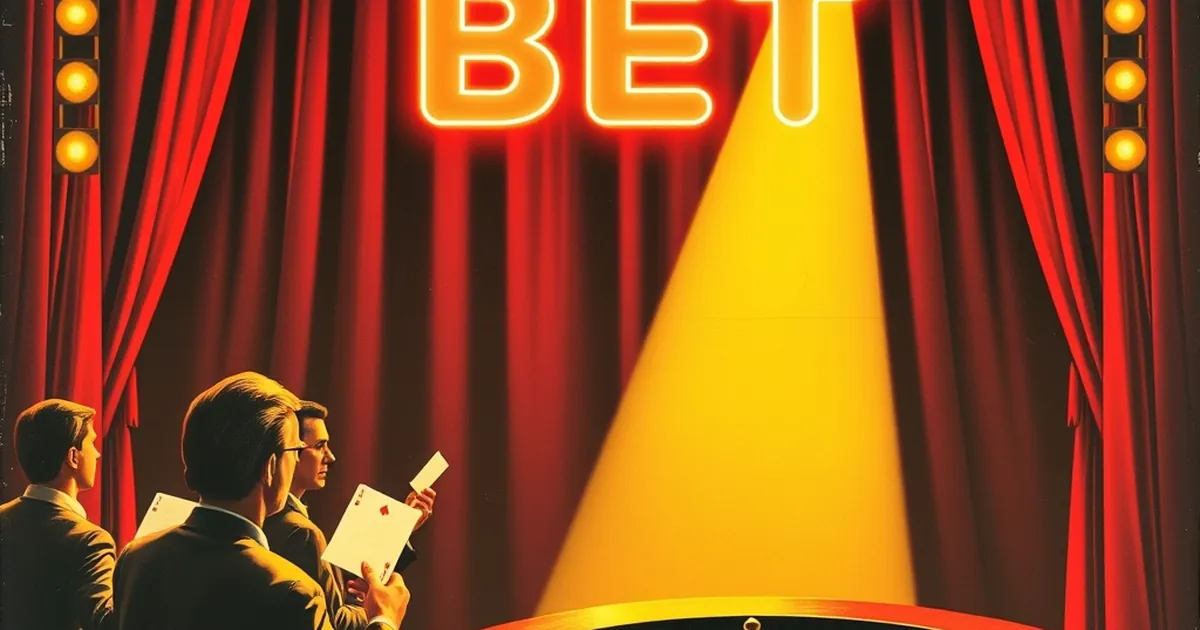
You’re sitting in a dimly lit theater in Las Vegas, a cocktail in hand, watching a high-wire act or a magic illusion unfold. Suddenly, the host’s voice booms over the speakers: “Place your bets now on whether the escape artist will break free in under 60 seconds.” This isn’t a scene from a futuristic novel; it’s the newest trend hitting casino showrooms from the Strip to Atlantic City. Why are these venues letting the audience gamble on the performance itself, and what does it mean for the future of live entertainment?
The Rise of Interactive Wagering
Casinos have always been about engagement, but the traditional model kept the stage and the slot floor separate. Patrons watched a show, then gambled afterward. Now, operators are blending those experiences in real-time.
The logic is simple: holding a betting slip keeps you glued to your seat. It transforms a passive spectator into an active stakeholder. When your money is on the line, you’re not just clapping at the end—you’re screaming for the magician to fumble or the singer to hit that high note.
How the System Works
Mobile Integration
Most venues aren’t handing out paper tickets at the door. Instead, they rely on a proprietary app or a house-branded mobile platform. You download it, link it to your player’s card, and place wagers directly from your seat.
This creates a seamless data loop for the casino. They know exactly which acts generate the most betting volume, which audience demographics are the most aggressive, and how long people stay in the theater after the credits roll.
Types of Bets Available
The wagers are typically prop bets rather than head-to-head matchups. You might bet on:
- The duration of a stunt (Will the juggler keep six chainsaws in the air for more than 90 seconds?)
- Audience participation (Will the hypnotist successfully pick a volunteer from the third row?)
- Performance outcomes (Will the headliner perform an encore? Will they curse on stage?)
The odds are set by in-house oddsmakers, often adjusted in real-time based on the performer’s history and the crowd’s mood.
A Concrete Example: The Magic of Risk
Consider the case of a well-known illusionist who debuted a new show at the Wynn Las Vegas last spring. During his signature “submerged escape” routine, the audience could bet on two variables: whether he would escape at all, and if so, in under two minutes.
The prop was a massive hit. According to a post-show report from the venue, over 40% of the audience placed a bet. The house took a standard 10% vigorish on each wager. But the real win was retention—the average post-show time spent on the casino floor jumped by 22 minutes compared to nights without the betting feature.
The Psychological Hook
This model exploits a core human behavior known as the “sunk cost fallacy” mixed with “skin in the game.” Once you place a bet, you are emotionally and financially invested. You won’t check your phone during the quiet parts. You won’t leave early to hit the blackjack tables.
For the casino, it’s a hedge against the biggest enemy of live entertainment: boredom. The betting element turns a lull in the performance into a moment of high tension. Even a boring act becomes exciting when you have money riding on whether the comedian gets a laugh in the next thirty seconds.
What This Means for the Future
Don’t expect this to stay confined to the big headliners. Regional casinos and even cruise ships with gambling licenses are testing similar platforms. The technology is cheap, the margins are high, and the data is gold.
The practical takeaway for you as a patron is simple: read the fine print on the app before you bet. Some venues have clauses that void your wager if the performer is visibly injured or if the show stops for technical difficulties. And remember, the house always has an edge—even when the act is a clown juggling bowling pins. Treat it like a side game, not a sure thing, and you’ll walk out of the theater with your wallet—and your memories—intact.