Why Casino Shows Are Cutting the Magic Act
Discover why casinos are replacing traditional magic acts with modern entertainment to attract today's changing audience demographics
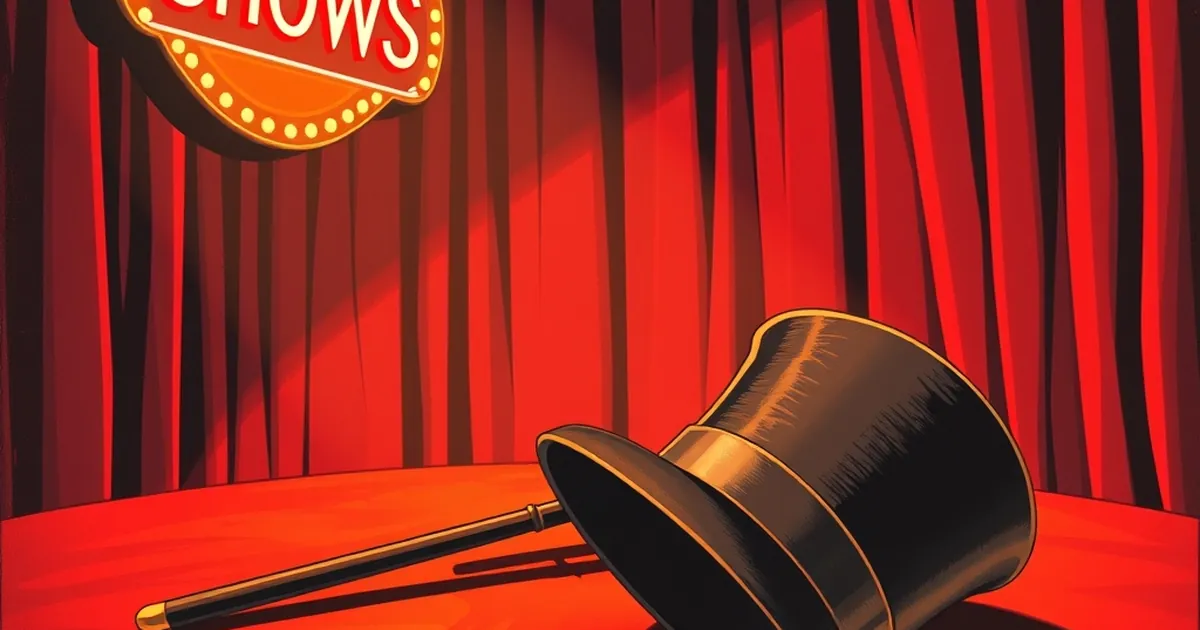
You walk into a casino showroom expecting the usual: a comedian, a singer, maybe some dancers. But lately, the headliner slot once reserved for a guy in a tuxedo pulling rabbits out of a hat has been conspicuously empty. The big question on the Strip and in Atlantic City is simple: why are casino shows cutting the magic act?
The Changing Demographics of the Audience
The core reason boils down to who is sitting in the seats. The traditional magic show—think grand illusions and sleight of hand—thrived with a generation raised on variety television and theatrical spectacle.
Today’s casino crowd is younger, more diverse, and digitally saturated. They have seen a magician’s trick on YouTube before the show even starts. The mystery is gone.
Casinos are chasing a demographic that wants an experience, not a passive display of skill. They want to be part of the story, not just watch a trick from twenty rows back.
The Rise of the "Integrated" Performer
The Cirque du Soleil Effect
Casinos aren’t abandoning spectacle; they are integrating it. Look at the massive success of Cirque du Soleil. Their shows are not "magic acts" in the traditional sense, but they use illusion, acrobatics, and technology to create a world.
A solo magician can't fill a 2,000-seat house four times a week anymore. But a high-tech, story-driven production can. It’s a shift from a single star to a complete sensory package.
The Residency Model
Another factor is the economics of the residency. A traditional magician often tours, which is expensive and logistically complex for a casino. The new model favors a single, massive production that runs for years.
Think of shows like Absinthe or Opium in Las Vegas. They blend comedy, burlesque, and daredevil stunts. They use magic as a tool, but the act itself is not the centerpiece. The casino wants a product that sells tickets on its brand, not on the name of a single magician.
The Data Doesn't Lie: What Sells
Casinos have access to mountains of data from loyalty cards and ticket sales. The numbers are brutally clear.
- Comedy and Music Dominate: A stand-up comedian like Sebastian Maniscalco or a residency by Lady Gaga drives repeat visits and hotel bookings better than a magic show.
- The "Wow" Factor is Expensive: Grand illusions require massive sets and a team of engineers. A comedian needs a microphone and a stool. The profit margin on a comedy show is significantly higher.
- Social Media Buzz: A funny moment or a stunning visual from a production show gets shared. A card trick, unless it goes viral for the wrong reasons, rarely generates the same online heat.
A Concrete Example: The Mirage's Shift
Consider the recent history of The Mirage in Las Vegas. For decades, it was home to Siegfried & Roy, the pinnacle of the big-cat and illusion show. When that act ended, the casino didn’t replace it with another magician.
Instead, they brought in the Beatles-themed Love by Cirque du Soleil. Then, they pivoted to a massive rock residency with The Who. The magic act was iconic, but the casino realized the future wasn't in a single performer’s hands—it was in a brand that could be refreshed every few years.
The Practical Takeaway for the Gambler and Showgoer
Don't mourn the loss of the magic act just yet. It hasn't disappeared; it has evolved. You can still find intimate magic in lounges and smaller clubs off the main floor.
The forward-looking move for a casino visitor is to stop looking for a "magic show" and start looking for a "show experience." Look for productions that blend genres. If you want the thrill of the impossible, look for shows that promise a narrative, not just a trick. The best shows today make you forget you’re even watching a magician—until you’re left wondering how they did it.