Why Casino Shows Are Cutting Corporate Sponsors Mid-Season
Discover why casino shows are cutting corporate sponsors mid-season as budget pressures reshape the Vegas entertainment landscape
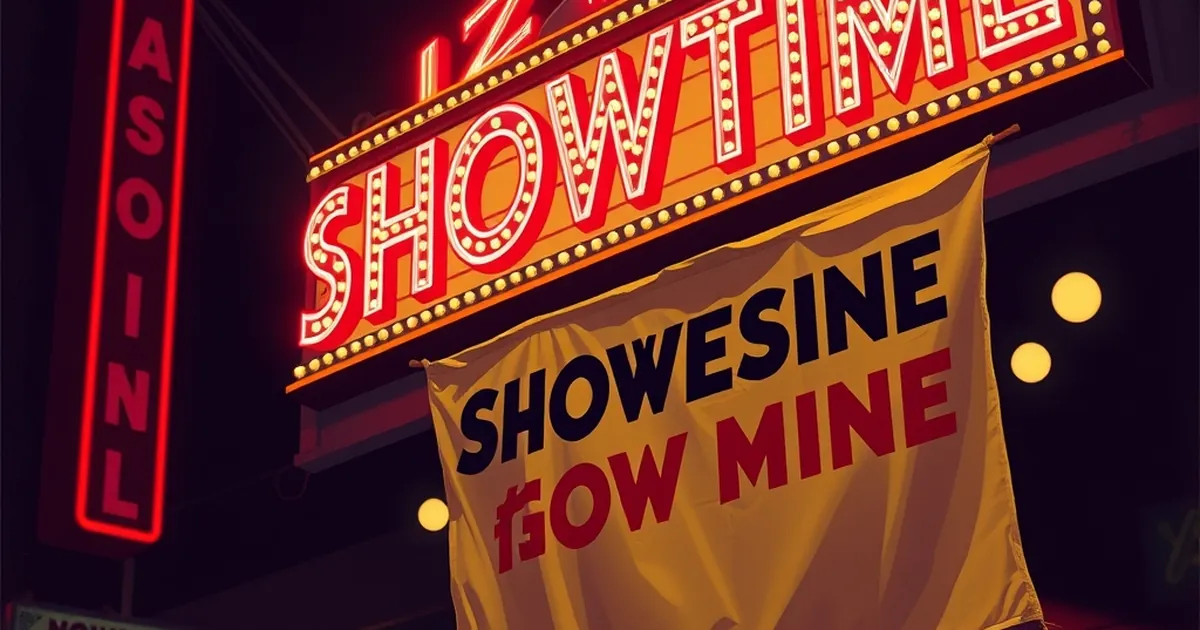
The neon glow of the Vegas strip has always relied on a delicate balance of flash and cash, but a new trend is sending shockwaves through the casino entertainment world. Major headliners and resident shows are suddenly severing ties with their corporate sponsors well before the contract is up. Why are these high-stakes partnerships, once the bedrock of a show’s budget, being broken mid-season?
The Great Budget Squeeze Hits the Stage
The primary driver for this sudden exodus is the tightening of corporate purse strings across the board. With inflation still pinching consumer wallets and a looming recession anxiety, marketing departments are slashing "non-essential" spend faster than a blackjack dealer shuffles a deck. Entertainment sponsorships, often the first line item cut, are now being yanked without warning, leaving shows scrambling for capital.
This isn't just about a few lost logo placements. These deals often cover critical production costs, from elaborate set pieces to performer salaries. When the sponsor pulls out, the show either absorbs the loss or faces a humiliating cancelation. Some producers are choosing to cut their losses and walk away from the contract entirely rather than perform at a deficit.
A Shift in the Return on Investment
The Audience Doesn't Care About Your Brand
Another major factor is the evolving calculus of ROI. For years, a casino show’s corporate sponsor believed a simple banner and a mention in the program was worth the six-figure check. Today’s audiences, especially the younger demographic casinos desperately want to attract, are actively turned off by overt corporate branding. They see a sponsored show as a commercial, not a performance.
Data Doesn't Lie
Show producers are now armed with granular data that shows these partnerships often fail to deliver the foot traffic they once promised. A sponsor for a Cirque du Soleil-style show might expect a surge in hotel bookings, but the data reveals that most ticket buyers are locals or tourists who already booked their room. When the promised lift doesn't materialize, the sponsor feels justified in breaking the contract.
The Concrete Case: The Fontainebleau Fallout
Consider the recent situation at the Fontainebleau in Las Vegas. A major beverage brand was the title sponsor for a high-profile residency. Just six weeks into the run, the brand pulled its sponsorship, citing a strategic shift to digital marketing. The show was forced to scramble, cutting a third of its production staff and dropping a signature aerial act that the sponsor had originally funded. The producer told the Las Vegas Review-Journal that the move felt like "having the rug pulled out from under us while we were in the middle of a song."
What This Means for the Ticket Buyer
For the average gambler or show-goer, this corporate drama translates directly to your experience. You might notice a show you were excited about suddenly has fewer performers, a shorter run time, or a noticeably cheaper set. The "sizzle" that made a $200 ticket worth it is often the first thing to go when the sponsor’s check bounces.
The Forward-Looking Takeaway
Don’t expect this trend to reverse quickly. The smartest producers are moving away from single-source corporate funding entirely. The future of the casino show is likely a hybrid model: smaller, more agile productions funded by ticket sales alone, or shows that partner with the casino itself as the sole stakeholder. For the audience, this means the golden age of the mega-budget, sponsor-laden spectacle may be fading in favor of more authentic, artist-driven experiences. The real winner isn't the corporation—it's the show that can stand on its own two feet.