Why Casino Showrooms Are Selling VIP Tables Mid-Show
Discover why casinos move VIP guests mid-show—turning showrooms into high-stakes revenue tools beyond the performance
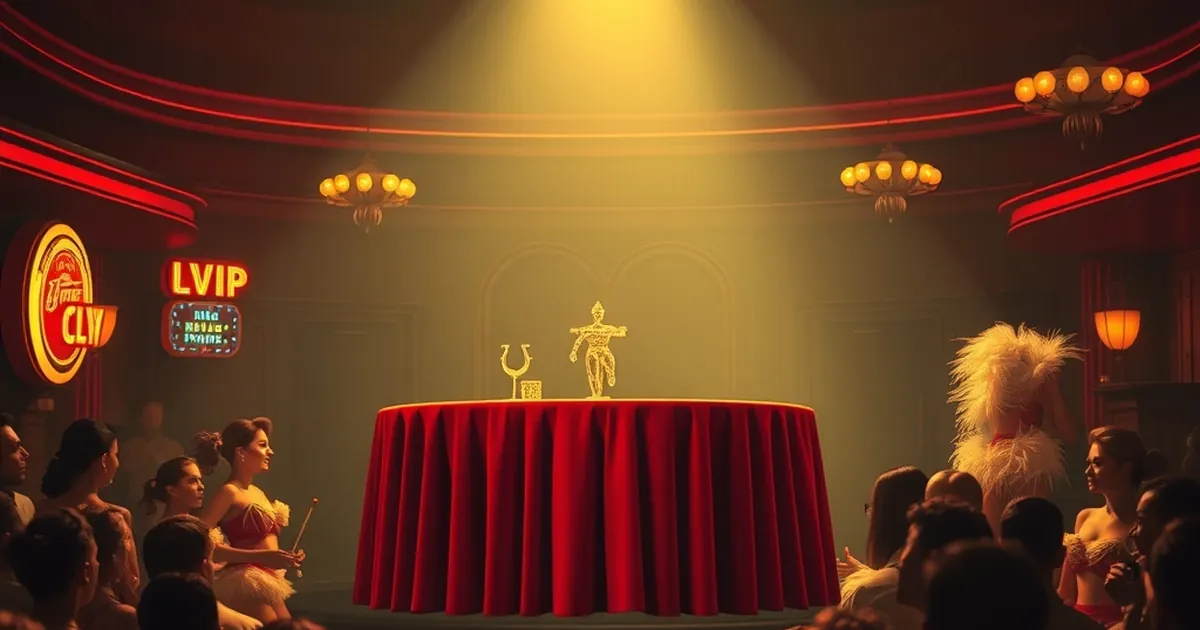
You’re sitting in a dark, velvet-lined showroom, fifty feet from a world-class headliner. Then, mid-song, a floor manager taps a high-roller on the shoulder and escorts them to a new table that was empty just moments ago. Why would a casino pull a paying guest from a premium seat and move them during the climax of a performance?
The answer isn’t about the show. It’s about the math behind the velvet rope. Casinos are increasingly treating their showrooms as extensions of the gaming floor, and selling VIP tables mid-performance has become a high-stakes tool to maximize revenue from the people who matter most: the whales.
The New Calculus: Showroom Seats as Real-Time Assets
For decades, casino showrooms were loss leaders. The belief was simple: get people in the door with a cheap or free show, and they’ll spend the real money at the blackjack tables afterward. That model is dying. Today, operators use sophisticated yield-management software to treat every seat like a hotel room or a slot machine.
When a high-roller calls their host from the floor and says they want to see the 9 p.m. show, the casino doesn’t just shrug. They scan the room in real time. If a guest with a lower theoretical loss is sitting in a prime table, the casino will move them—politely but firmly—to open that seat for the bigger player.
The "Bump and Upgrade" Protocol
This isn’t random rudeness. It’s a choreographed process called a "bump and upgrade." The casino offers the displaced guest a better table, often with free drinks or a comped dinner. Most guests are flattered, not offended. They think they’re getting a VIP upgrade. They rarely realize they were moved to make room for someone who lost $50,000 at baccarat before the curtain went up.
I saw this happen last year at a major property on the Las Vegas Strip. A couple celebrating their anniversary was enjoying a comedian’s set from a center table. Twenty minutes in, a host approached, whispered something, and the couple smiled as they were led to a booth closer to the stage. The host then sat two men in dark suits in their original seats. The men never laughed. They barely watched. They were there to drink and to be seen by the pit bosses.
Why the Timing Matters
Selling these tables mid-show—rather than before the performance—is a deliberate strategy. Casinos know that a whale’s decision-making is impulsive. A player might lose a big hand and decide on a whim to catch the second half of a show. By keeping premium inventory flexible, the casino can capture that impulse spend without holding seats that might go unsold.
It also creates a sense of scarcity and urgency. When other guests see a table being "upgraded" mid-show, they perceive the venue as exclusive and in demand. That perception drives more comp requests and future bookings.
The Risk of Alienating Regulars
There is a downside. Regular patrons who get bumped—even to a better seat—can feel like second-class citizens. Smart casinos mitigate this by training hosts to frame the move as a perk. The key is never to make the displaced guest feel like cargo. If done poorly, it breeds resentment that kills loyalty.
The Takeaway for the Smart Player
If you want the best seat in the house, don’t wait for a comp. Book your own table early and tip the maître d’ upfront. But more importantly, understand that the seat you’re sitting in is a negotiable asset. If a host approaches you mid-show with an "upgrade," you have leverage. Ask for dinner, drinks, or show credits for your next visit. The casino is already making a deal with someone else. You might as well get your cut.