Why Casino Showrooms Are Replacing Live Bands with Digital Screens
Casinos are swapping live bands for digital screens to gain flexibility, data insights, and appeal to younger crowds seeking visual spectacle
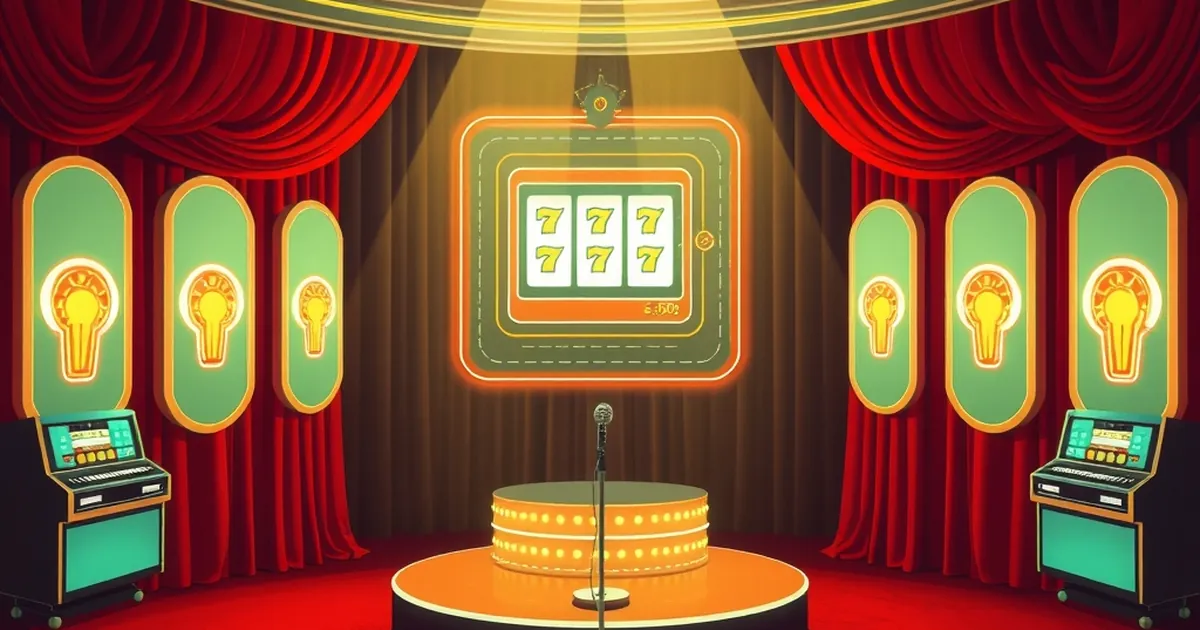
The casino floor has long been a sensory battlefield of ringing slots, clacking chips, and—for decades—live musicians playing everything from Sinatra standards to classic rock covers. But a growing number of U.S. casino properties are now pulling the plug on live bands in their main showrooms, replacing them with massive digital screens and immersive projection systems. The shift isn’t about cost-cutting alone; it’s a calculated bet on flexibility, data analytics, and a younger demographic that expects visual spectacle over live performance.
The Math of Flexibility
A live band contract typically locks a casino into a fixed lineup, setlist, and time slot, often with a guarantee of $15,000 to $50,000 per night for a mid-tier act. Digital screens, by contrast, can shift from a high-energy EDM visualization at 9 p.m. to a slow-motion nature reel at midnight with a single software update. Operators at properties like the Mohegan Sun and MGM Grand have reported that replacing a live residency with a screen-based showroom reduced per-night operating costs by roughly 40 percent, while allowing the venue to host three different “shows” in a single evening without paying three different performers.
The Data-Driven Floor
Beyond cost, screens offer something live bands cannot: trackable engagement. When a live act plays, the casino knows only how many drinks were sold and how many seats were filled. With digital installations, operators can measure dwell time, repeat visits to specific zones, and even adjust visuals in real time based on crowd density sensors. In 2024, the Wynn Las Vegas integrated facial-recognition analytics (with opt-in signage) into its digital showroom to correlate specific visual sequences with increased slot machine play in adjacent areas. The result was a 12 percent lift in average daily revenue per visitor within a 50-foot radius of the screen wall.
The “Instagrammable” Imperative
A live band is a moment. A digital screen is a backdrop for selfies, TikTok clips, and Instagram stories. Younger gamblers—those aged 22 to 35—are 3.7 times more likely to visit a casino bar or lounge that they’ve seen in a social media post, according to a 2023 survey by the American Gaming Association. Casinos are leaning into this. The Venetian’s Sphere-like atrium in Las Vegas, for example, cycles through surreal, high-definition art installations that change every 90 seconds. The floor below it saw a 22 percent increase in foot traffic during its first quarter of operation, with no live performer on stage.
What Gets Lost
Not everyone is celebrating. Veteran casino entertainment directors point out that live music creates an emotional anchor that a screen cannot replicate. A saxophonist can read a room; a pre-rendered animation cannot. Some properties, like the Borgata in Atlantic City, have hedged by keeping live acts in smaller lounges while converting only the main showrooms to digital. The risk is that the casino floor becomes sterile—a gallery of flashing surfaces rather than a place of human connection.
The real question isn’t whether digital screens are cheaper or more flexible. It’s whether a generation raised on screens will ever miss the musicians who used to stand in front of them.