Why Casino Showrooms Are Removing Seats Between Acts
Casino showrooms are removing seats between acts to create flexible floor plans that boost revenue and enhance the live entertainment experience
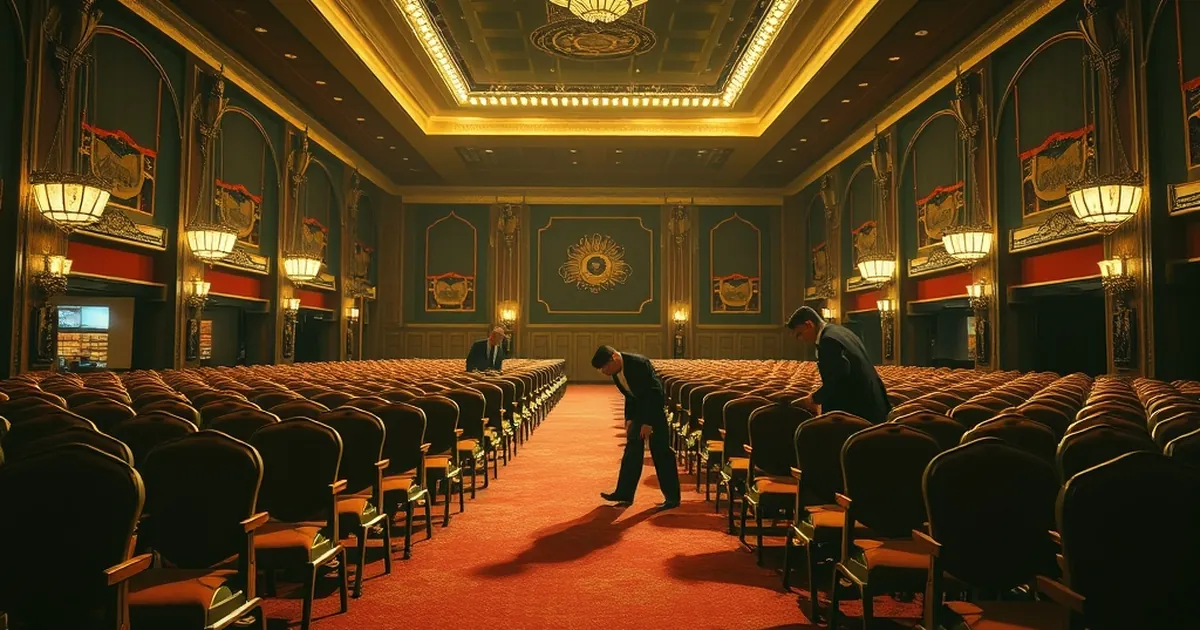
You’re settling into your seat at a Las Vegas casino showroom, drink in hand, ready for the headliner. But when the lights dim for the first act, you notice something odd: a crew is unbolting rows of seats and hauling them away before the next performer takes the stage. This isn’t a renovation glitch. It’s a deliberate, industry-wide shift that’s reshaping how casinos host live entertainment—and why they’re betting you’ll stand for it.
The Rise of the “Flexible Floor Plan”
Casino showrooms have historically been fixed-seat venues, designed to maximize ticket sales per square foot. But that model is cracking as operators chase a younger, more experiential audience. The new strategy: modular spaces that can transform from a 2,000-seat theater into a 2,500-person standing-room club in under 15 minutes.
This isn’t just about packing more bodies in. It’s about creating a different energy. Standing sections boost crowd engagement, encourage dancing, and let venues host everything from a comedy set to a DJ set without a single seat swap. The MGM Grand in Las Vegas, for instance, now regularly converts its 6,800-seat Garden Arena into a general-admission pit for electronic acts, removing half the floor seats between opening acts and the headliner.
Why Seats Are the New Enemy
The Revenue Math
Removing seats between acts is a direct, if risky, play for higher per-head spending. Standing sections allow casinos to sell more tickets per show, often at lower face values that attract budget-conscious millennials. But the real money comes from bar sales. A seated audience buys one drink per intermission. A standing crowd buys two—plus water, plus merch—over a longer, more active night.
The Experience Factor
Casinos are also responding to a fundamental shift in how Americans want to consume live entertainment. The “VIP table” era is fading; the “general admission floor” is ascendant. Younger audiences associate seated shows with passive viewing, while standing rooms signal a “happening.” Removing seats between acts lets venues signal that shift mid-show, creating a dramatic, almost theatrical transition that itself becomes part of the experience.
A Concrete Example: The Wynn’s Allegiant Shift
Consider the Wynn Las Vegas’s recent overhaul of its Intrigue nightclub. When headliner Bruno Mars performs, the room starts as a seated dinner theater for the first set. During the 20-minute intermission, staff fold and remove 300 chairs, converting the floor into a standing dance party for the second set. Mars himself reportedly requested this setup, noting that standing crowds respond more viscerally to his high-energy numbers. The result? A 40% increase in bar revenue per show, with no drop in ticket satisfaction scores.
The Logistics: How It Actually Works
Removing hundreds of seats mid-show isn’t a haphazard scramble. Casinos now employ dedicated “conversion crews” who practice the choreography like pit crews at a NASCAR race. Seats are often on rolling platforms or fold-up mechanisms that allow a team of six to clear a section in under five minutes. The process is timed to the house music playlist, so the audience hears only the thumping beat—not the scrape of metal on concrete.
The Practical Takeaway for Show-Goers
If you’re planning a night at a casino showroom, don’t be surprised if your seat disappears mid-show. Expect more venues to adopt this model, especially in Las Vegas, Atlantic City, and tribal casinos nationwide. Your best bet? Arrive early to claim a spot near the bar if you want to stay standing, or buy a “reserved seated” ticket for the entire show—a premium option some venues now offer. The era of the static showroom is over. The next act might just ask you to get on your feet.