Why Casino Showrooms Are Betting on Nostalgia Acts Over New Talent
Discover why Las Vegas casinos rely on nostalgia acts for guaranteed ticket sales instead of taking risks on new talent
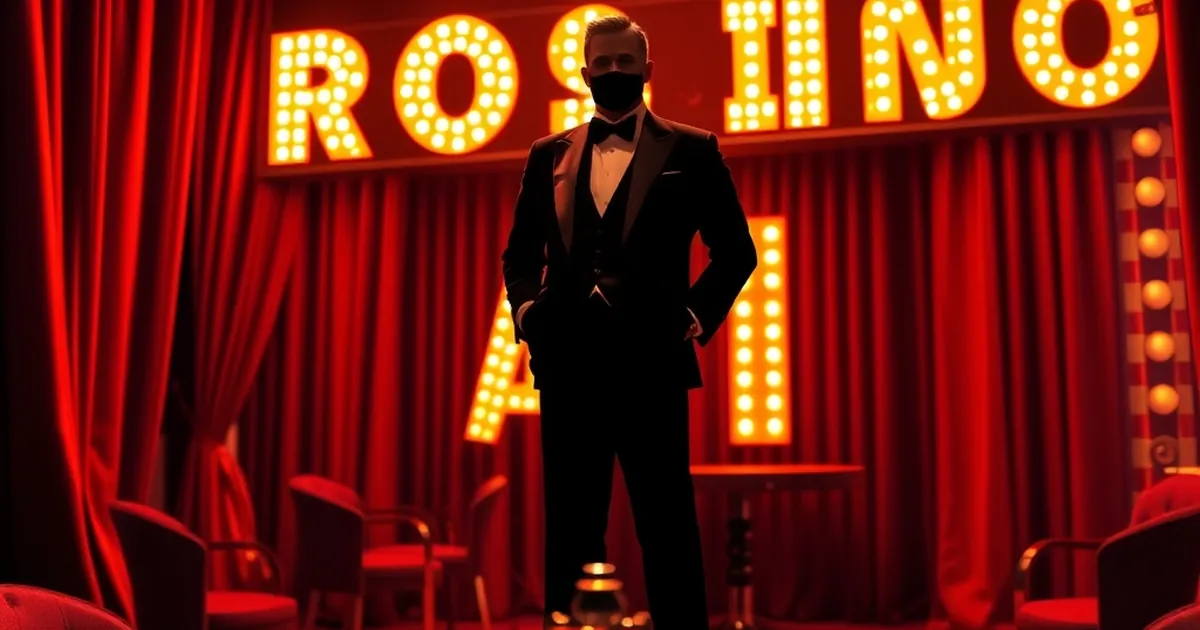
I was standing in the lobby of the MGM Grand last month, and a billboard caught my eye. It wasn't for a hot new pop star or a rising comedian. It was for Donny Osmond. Right next to it? A poster for a Vegas residency by a band that had its last hit in 1983. It makes you wonder: in a city that prides itself on reinvention, why are the biggest casino showrooms doubling down on the past instead of betting on the future?
The Safe Bet: Guaranteed Ticket Sales
Casino showrooms are not art galleries; they are profit centers. The primary goal is to fill seats at a high average ticket price, and nostalgia acts are a proven commodity. When a casino books a legacy act, they aren't guessing. They are looking at decades of data showing that Baby Boomers and Gen Xers—the demographics with the most disposable income—will pay a premium to hear the songs of their youth.
Lower Marketing Costs
A new artist requires a massive, expensive marketing campaign to build name recognition in a crowded market. A nostalgia act like Chicago or Earth, Wind & Fire already has a built-in fanbase. The casino simply needs to run a few targeted Facebook ads and a local radio spot, and the phones start ringing. The cost of acquisition is dramatically lower, directly boosting the profit margin for the house.
The Changing Demographics of the Floor
This isn't just about the showroom; it's about the entire casino ecosystem. The high rollers of the 1980s and 1990s are now in their 60s and 70s. They are the whales of today. A casino books a Tom Jones or a Rod Stewart residency specifically to draw these high-value gamblers to the property. These guests don't just buy a ticket; they book a suite, eat at the steakhouse, and spend hours at the blackjack tables.
The "Experience" Over Discovery
Younger audiences (Millennials and Gen Z) are statistically less interested in traditional gambling. They are, however, interested in experiences. But here’s the rub: they are also more likely to discover new music on Spotify than in a 5,000-seat auditorium. For a casino, trying to capture that elusive younger crowd by booking an unproven indie act is a risky play. The safer strategy is to double down on the "experience" of seeing a legend, even if the crowd is graying.
A Concrete Case: The Rat Pack Revival
Consider the success of the "Rat Pack is Back" tribute show at the Tuscany Suites. It isn't the real Frank Sinatra or Dean Martin—they are long gone. Yet the show sells out night after night. Why? Because it offers a curated, predictable, and high-quality slice of a golden era. It transports the audience back to a time they remember fondly or romanticize. The showroom isn't selling music; it's selling a feeling of security and familiarity. New talent can’t compete with that emotional anchor.
The Practical Takeaway for the Industry
This trend isn't a sign of creative bankruptcy; it's a cold, calculated business decision. For the next five to ten years, legacy acts will continue to dominate the Strip.
But here is the forward-looking note for showroom managers: The window is closing. The Boomer generation is aging out of late-night shows. Smart casinos are now quietly testing the waters with "nostalgia acts of tomorrow"—think early 2000s pop-punk bands or 90s hip-hop tours. The properties that start building those relationships with the Gen X and elder Millennial talent today will be the ones that survive the inevitable generational shift. The key isn't to abandon the past, but to know exactly which past to bet on next.