Why Casino Megashows Are Losing Their High-Roller Appeal
High rollers are skipping casino megashows as spectacle fatigue and exclusivity loss erode their appeal
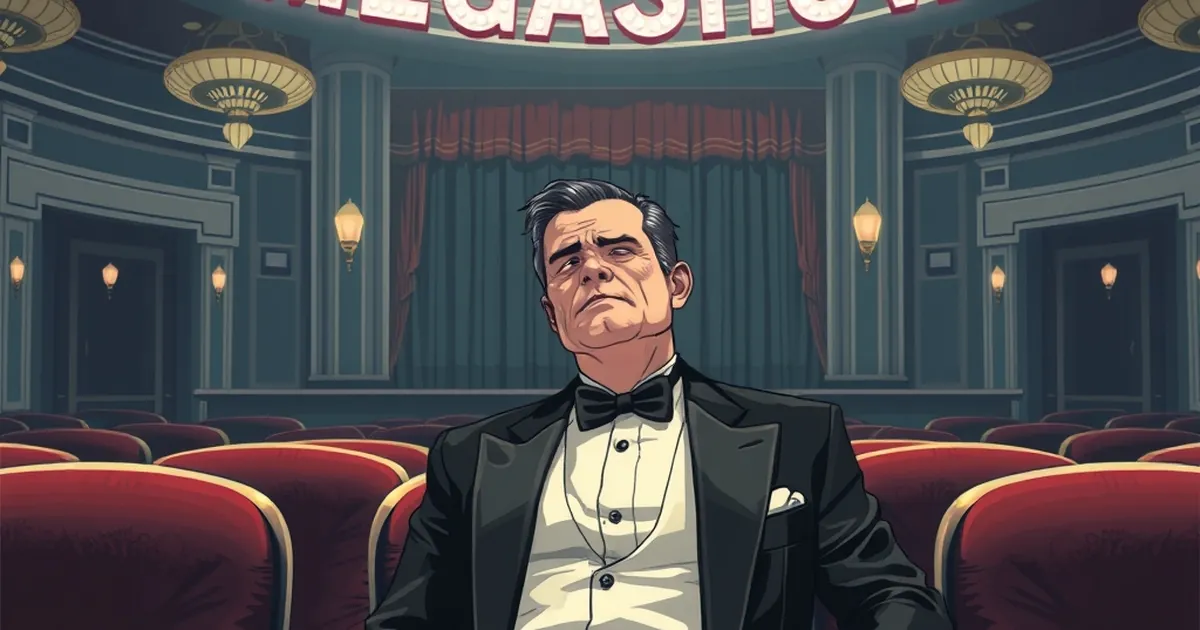
The velvet ropes are still there. The champagne still flows. But if you ask a true high-roller where they’d rather be on a Saturday night, the answer is increasingly “not in the showroom.” For decades, the mega-show—featuring A-list headliners, Cirque du Soleil acrobatics, and million-dollar production budgets—was the crown jewel of the Vegas experience. So why are the very players casinos rely on for their bottom line starting to ghost the main stage?
The Diminishing Return on Spectacle
The fundamental problem is that the mega-show has become a victim of its own success. When every property on the Strip offers a $200-million aquatic ballet or a drone show that lights up the sky, the novelty evaporates. For a high-roller who has seen O twice, watched the Bellagio fountains from a penthouse suite, and caught Lady Gaga in residency, another 90-minute spectacle feels like a rerun.
This isn't just about boredom; it’s about economics. A serious player dropping $50,000 a night doesn’t want to sit in a dark theater for two hours when they could be at a private baccarat table. The opportunity cost of time is too high. The show is no longer a draw; it’s a distraction from the action that actually matters to them.
The Private Experience vs. The Public Crowd
High-rollers crave exclusivity. A mega-show, by its very nature, is a mass-market product. You are herded into a cavernous room with 2,000 other tourists, fighting for a sightline and listening to someone else’s conversation during the quiet parts.
The modern luxury gambler prefers the bespoke. They want the private chef’s table at a hidden speakeasy or a high-limit gaming salon with a dedicated concierge. The showroom feels pedestrian. It’s hard to feel like a VIP when you’re seated in the same row as a bachelor party from Ohio.
The Rise of the “Experiential” Alternative
Casinos are smart enough to see the writing on the wall. Instead of pouring money into a Broadway-style flop, they are pivoting to high-roller-specific experiences that aren’t “shows” at all.
Consider the new trend of “residencies without the stage.” I spoke with a casino host in Las Vegas who told me about a recent booking for a whale from Asia. Instead of comping him floor seats to a concert, the host arranged a private after-hours tour of the Neon Museum, followed by a dinner prepared by a Michelin-starred chef in the museum’s boneyard. The cost was a fraction of a show production, but the perceived value was astronomical.
The Intimacy Factor
This shift is about control. A high-roller wants to control the narrative. They don't want to be told when to clap. They want an experience that bends to their schedule and their tastes. The mega-show is rigid; the private experience is fluid. This is why we are seeing more pop-up performances in high-limit lounges and private suites rather than in the main theater.
A Forward-Looking Note for the Industry
The mega-show isn't dead, but its role is changing. It will remain a powerful tool for filling mid-week hotel rooms and feeding the slot floor with casual tourists. For the high-roller, however, the casino that wins their loyalty will be the one that stops trying to sell them a ticket and starts selling them a secret. The future of high-end casino entertainment isn't a bigger stage; it's a locked door. The smart money is betting on intimacy, not spectacle.