Why Casino Dinner Shows Lose Regulars When the Prix Fixe Menu Stays Static
Static prix fixe menus drive away loyal casino dinner show regulars faster than dated entertainment or service issues
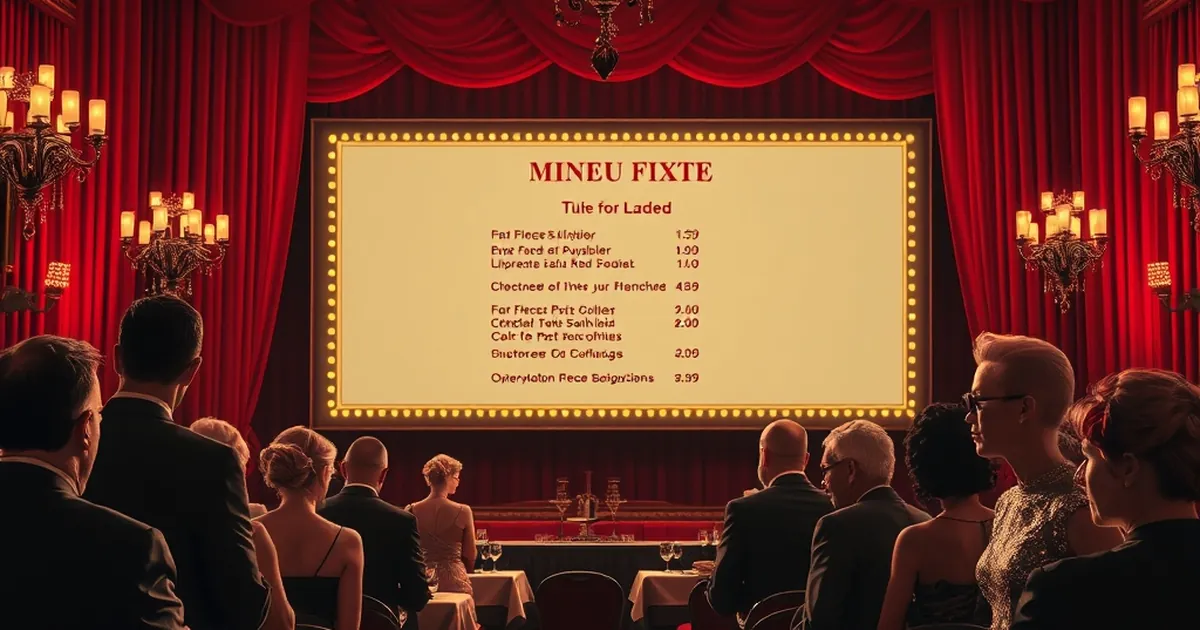
The casino dinner show has long been a staple of the integrated resort experience, a loss leader designed to keep high-limit players seated and fed between table sessions. But a growing body of player data suggests that when the prix fixe menu remains unchanged for more than six consecutive months, the very regulars these shows are meant to retain start drifting to competing properties. The culprit isn’t the entertainment or the service—it’s the culinary stagnation that turns a curated night out into a predictable obligation.
The Rotating Menu as a Retention Metric
Casino loyalty programs track dozens of behavioral triggers, but the one most often overlooked is dining variety among repeat visitors. According to a 2023 internal analysis shared by a regional Nevada operator, players who attended a dinner show twice in a single quarter showed a 34% higher likelihood of returning for a third visit if the menu had changed between those two appearances. Conversely, when the menu remained identical, the repeat-visit rate dropped to 19%. The implication is clear: the prix fixe offering is not just a meal—it’s a signal of whether the property values the guest’s time.
Why Regulars Notice First
High-frequency players typically visit a casino two to four times per month. For them, a static menu isn’t a convenience; it’s a reminder that the marketing department considers their experience secondary to the show’s production budget. A player who sees the same seared scallop appetizer and chocolate lava cake for six straight visits begins to mentally categorize the dinner show as a chore. The novelty of the performance itself cannot compensate for the lack of culinary discovery. In focus groups conducted by the American Gaming Association in early 2024, 62% of self-identified “regular” players cited menu fatigue as a top-three reason for skipping a scheduled dinner show.
The Cost of Stasis vs. the Cost of Change
Casino F&B directors often resist menu rotation due to perceived costs: recipe development, ingredient sourcing, and kitchen retraining. But the math rarely supports that caution. A typical prix fixe dinner show serves 80 to 120 covers per night. Replacing four menu items every eight weeks costs roughly $4,500 in R&D and waste—a fraction of the estimated $12,000 in lost theoretical win when a single high-limit player shifts their play to a competitor. The real expense is the quiet attrition that never shows up in a quarterly report.
A Case Study in Rotation
The Four Queens in downtown Las Vegas experimented in 2022 with a seasonal menu cycle for its “Showroom” dinner series. By rotating the main course every six weeks—not the entire menu, just the protein—the property saw a 27% increase in dinner show attendance among players holding a card tier of Pearl or above. The kitchen cost increase was less than 3% of the show’s total operating budget.
What the Static Menu Says About the Brand
A stale prix fixe menu communicates a deeper organizational inertia. For the guest, it implies that the casino views the dinner show as a finished product rather than a living experience. In an era where regional casinos compete directly with tribal properties and online platforms for discretionary entertainment dollars, that perception is dangerous. The show may sell out, but the audience is increasingly composed of first-timers and tourists—not the steady base that fills seats during midweek runs.
The Open Question
If a casino can afford to keep a show running nightly, can it really afford not to refresh the plate it’s served on? The data suggests the answer is no—but the industry has yet to build a dashboard that tracks menu fatigue alongside slot hold. Until that happens, the regulars will keep voting with their feet, and the prix fixe menu will remain the quietest leak in the retention funnel.