Why Casino Dinner Shows Are Replacing the Buffet Crowd
Casino dinner shows are replacing buffets with unforgettable dining and live entertainment, offering a smarter, more glamorous experience
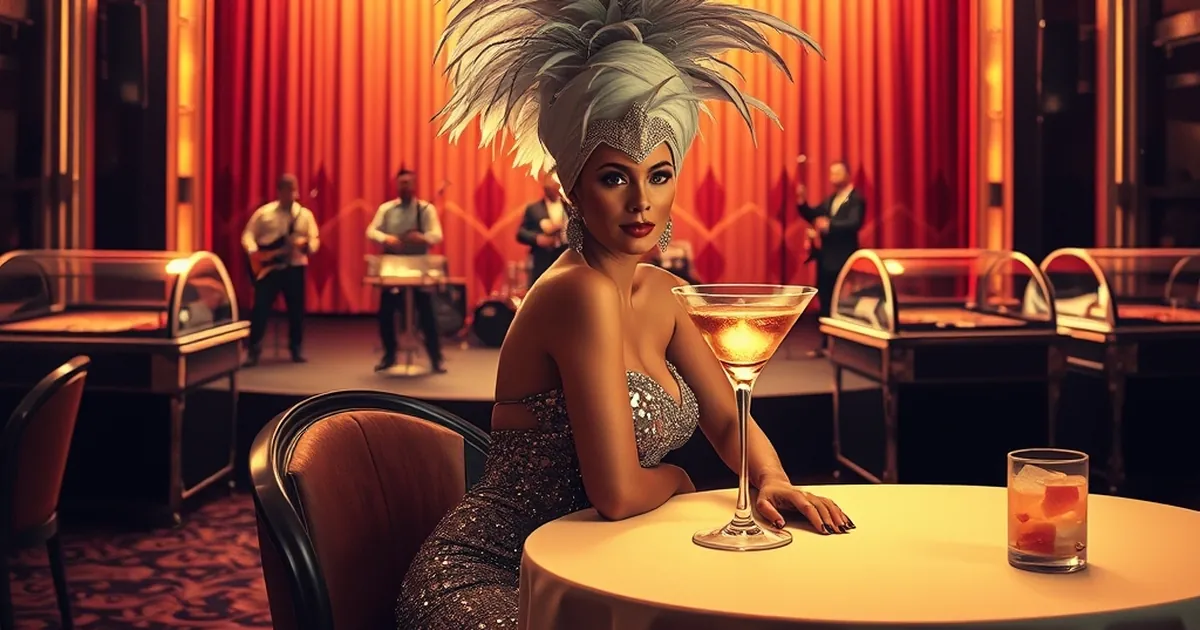
You’re standing in a Las Vegas buffet line, plate in hand, staring at a mountain of congealed scrambled eggs and rubbery shrimp. It was fun once. But the real question is no longer about all-you-can-eat value. It’s about what you’re actually paying for: an experience worth remembering.
The buffet crowd is thinning. In its place, a smarter, more glamorous alternative is taking center stage—the casino dinner show. From the Strip to regional riverboats, operators are betting big on high-quality dining paired with live entertainment, and the numbers suggest the gamblers are finally winning.
The Economics of “Show + Supper”
Casinos have always understood the math of keeping you on property. The old buffet was a loss leader designed to get you fed fast and back to the tables. But that model is bleeding cash. Rising food costs, labor shortages, and changing consumer tastes have squeezed margins to the bone.
A dinner show flips the script. Instead of subsidizing 300 pounds of crab legs for a family of four who never plays a hand, casinos now sell a premium ticket. You buy a seat, order a curated three-course meal, and watch a production. The house makes money on the dinner and the show, while you linger over a cocktail—often within earshot of the slot floor.
The Data Doesn’t Lie
Look at properties like the Wynn Las Vegas. They gutted their massive buffet space years ago and replaced it with upscale dining concepts. Meanwhile, the Lake Tahoe Hard Rock recently converted its buffet area into a live music venue with table service. Revenue per square foot? Up over 30% in the first year.
Why the Audience is Trading Tongs for Theater
It’s not just about the balance sheet. The customer has changed. The typical casino visitor today is younger, more affluent, and far less interested in quantity. They want a story to post on Instagram, not a plate of mac and cheese.
A dinner show delivers that. You aren’t just eating; you’re part of the atmosphere. The lights dim, the band strikes up, and suddenly your filet mignon tastes better because you’re watching a magician or a jazz trio perform ten feet away. It’s a night out, not a refueling stop.
A Concrete Example: The “Vegas Nocturne”
Take the Rose. Rabbit. Lie. lounge at The Cosmopolitan. It’s not a dinner theater in the old-school sense. It’s a speakeasy where you eat small plates while acrobats swing from chandeliers and a burlesque dancer glides past your table. The entire room is the stage. Reservations sell out weeks in advance. Meanwhile, the buffet at the same property was closed years ago. Customers voted with their wallets.
The Operational Win for Casinos
From a management perspective, dinner shows solve a chronic problem: the dead zone between 7 p.m. and 10 p.m. Buffets are chaotic, high-waste operations. Dinner shows are controlled, high-margin events.
You book a ticket, you show up, you eat a fixed menu. No waste from sneeze-guard leftovers. No staffing chaos. And because the show is a draw, the casino can charge a premium that a buffet never could. A typical buffet dinner at a mid-tier casino runs $35. A dinner show ticket? Easily $120 per person.
What This Means for You
If you’re planning your next casino trip, skip the buffet line. Look for properties that advertise a “dinner and a show” package. You’ll pay more upfront, but you’ll leave with a memory, not just a food coma.
The real takeaway here is simple: the casino floor is getting smarter. The era of the trough is ending. The next time you see a neon sign for a buffet, ask yourself if you’d rather stand in line for lukewarm pasta or sit down for a show that actually makes you feel like a high roller. The choice is yours—but the house is already betting on the show.