Why Casino Dinner Shows Are Cutting the Buffet Line
Casinos are trading all-you-can-eat buffets for high-end dinner shows, and the numbers prove why experience now beats volume
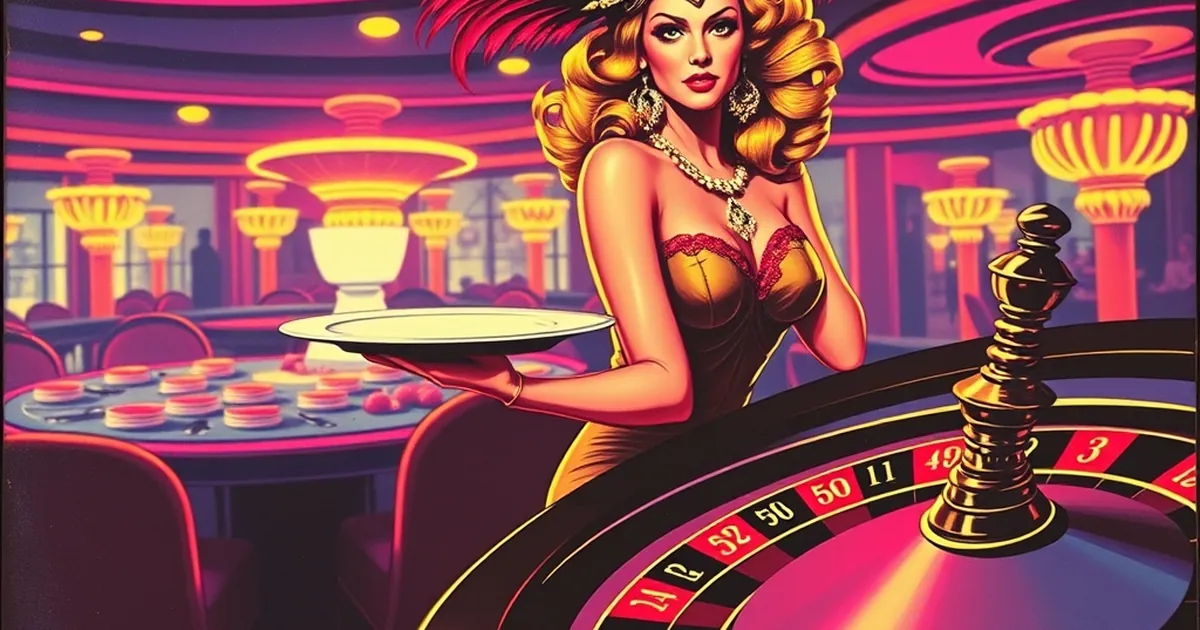
You’re standing in a line that snakes past the prime rib station, the carving block, and the endless shrimp, clutching a plastic tray that’s starting to warp from the heat. The buffet at a Las Vegas casino used to be the undisputed king of dinner options—an all-you-can-eat monument to excess. But whispers around the craps tables and lounge chairs suggest a quiet revolution: the high-end dinner show is now the real draw, and it’s cutting the buffet line for good.
The Economics of Experience Over Volume
Casinos have done the math, and the numbers are brutal for the old-school buffet. A standard dinner buffet might cost a property $15 per head in food costs, but it commands only a $40 ticket price. Meanwhile, a dinner show—think a seated three-course meal paired with live entertainment—can pull in $150 a person with food costs closer to $30.
The profit margin isn’t just better; it’s a different business entirely. Buffets rely on volume and turnover, packing bodies into a cavernous room. Dinner shows trade on scarcity and atmosphere, turning a meal into an event that keeps guests on the casino floor longer, spending more at the tables and bars afterward. It’s a shift from “feed them cheap” to “wow them once.”
Why the Buffet Is Losing Its Luster
The Rise of the Foodie Gambler
Today’s casino visitor isn’t your grandpa’s high roller. They’ve watched Chef’s Table and know the difference between Sysco crab legs and a properly seared scallop. The buffet’s appeal—quantity over quality—feels dated when you can grab a world-class tasting menu at a restaurant inside the same hotel.
Dinner shows bridge that gap. They offer a curated experience where the meal is part of the story, not just fuel for the slots. At the Wynn’s Le Rêve, for example, the pre-show dinner includes a champagne toast and a plated appetizer that would hold its own in any fine-dining room in the country. You’re not just eating; you’re participating in the spectacle.
The Entertainment Factor
A buffet line is a solitary act—you, a plate, and a sneeze guard. A dinner show is communal. You share a table, laugh at the comedian, or gasp at the aerialist while cutting into your steak. That shared energy keeps people in the building longer and makes them more likely to hit the blackjack tables afterward.
I saw this firsthand at the Maverick dinner show at the Downtown Grand. A couple next to me had planned to just grab a quick bite before heading to the Strip. Three hours later, they were still there, buying rounds and talking to the magician who had pulled a card from the husband’s wallet. The buffet would have never held them that long.
The New Standard: Dinner Shows as a Marketing Tool
Casinos aren’t just replacing buffets with shows; they’re using them to drive loyalty. A dinner show ticket is a loss leader that builds a relationship. Once you’ve had a memorable night with a great meal and a killer performance, you’re far more likely to book a room or sign up for a players card.
Properties like the Cosmopolitan have leaned into this hard, offering rotating dinner shows that change with the season. They don’t even advertise the buffet on their main website anymore. The message is clear: the future of casino dining isn’t a trough—it’s a stage.
What This Means for You
Next time you’re planning a casino trip, skip the buffet line entirely. Book a dinner show with a fixed menu and a performance that starts before dessert. You’ll pay more upfront, but you’ll walk away with a story, not just a full stomach. The buffet isn’t dead, but it’s being demoted to a backup option for the desperate or the nostalgic. The real action is now on the stage.