Redefining Live Entertainment: Why Casinos Are Betting on Dinner Theaters
Discover why casinos are replacing traditional shows with immersive dinner theaters to redefine live entertainment and boost guest engagement
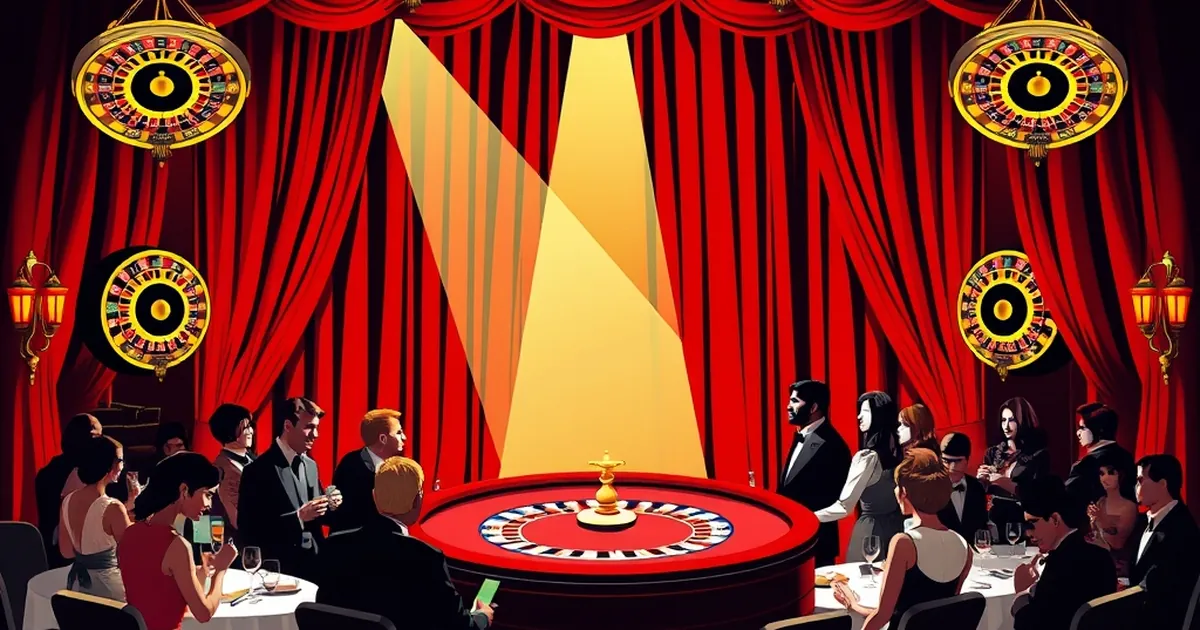
The Las Vegas Strip has long been the master of reinvention, swapping out volcano eruptions for pop star residencies and high-roller suites for family-friendly arcades. But the latest pivot in casino entertainment feels less like a gimmick and more like a homecoming. From the neon canyons of Nevada to the riverboat casinos of the Mississippi, a quiet revolution is underway: dinner theaters are making a serious comeback, and the house is betting big on them.
The Problem with the Old Playbook
For decades, the standard casino entertainment model was simple: book a headliner, fill a showroom, and hope the after-show traffic feeds the slot machines. That formula worked when a Celine Dion or a Blue Man Group could guarantee a full house. But post-pandemic, consumer habits shifted.
Audiences now crave experiences that feel curated, not just consumed. They want to sit down for a meal, watch a performance, and feel like they’ve been part of something exclusive—not just another stop on the casino floor. The old model of a separate dinner reservation and a separate show ticket feels clunky and transactional. Dinner theaters collapse that friction into one seamless, premium night out.
Why Casinos Are the Perfect Hosts
Built-In Infrastructure and Traffic
Casinos already have the real estate, the kitchens, and the captive audience. Converting a former buffet space or a low-traffic lounge into a 200-seat dinner theater is a relatively low-cost renovation compared to building a new nightclub or a convention hall. The margins on food and beverage are already solid, and adding a ticketed performance layer can double the revenue per square foot.
The Demographic Sweet Spot
The Las Vegas Convention and Visitors Authority reports that the average visitor age is now creeping into the mid-40s. This crowd has disposable income but less interest in standing-room-only nightclubs. They want to sit, eat a good steak, and be entertained without shouting over a DJ. Dinner theaters hit that sweet spot perfectly.
A Concrete Example: The Mayfair Supper Club
Consider the Mayfair Supper Club at the Bellagio in Las Vegas. It’s not a revival of a tired 1980s dinner show; it’s a fully modernized, immersive experience. Guests dine on high-end surf and turf while performers weave through the tables, singing jazz standards and performing aerial acts. The show doesn’t stop for the main course—it integrates with it.
The result? A four-hour experience that commands premium pricing and sells out weeks in advance. It’s a clear signal that the audience isn’t just tolerating the dinner theater format; they’re actively seeking it out. Other properties are now racing to replicate the formula, from the Palazzo to the Wynn.
The Risk and the Reward
Of course, the dinner theater model isn’t a guaranteed jackpot. It requires a delicate balance: the food must be genuinely good (not just passable), the performance must be tight, and the pacing must respect the guest’s time. A mediocre meal ruins the show, and a boring show ruins the meal.
Casinos are also competing with local performing arts centers and independent theaters that have been doing this for years. But the casino’s edge is its ability to subsidize the production costs with gambling revenue, allowing them to offer a higher-quality experience at a more accessible price point.
The Takeaway for Travelers and Gamblers
If you’re planning a trip to a casino destination in the next year, look for dinner theater options on the property’s event calendar before you book a standard show. They often offer better value, a more relaxed pace, and a built-in meal that saves you from hunting for a reservation. The smart money isn’t just on the tables anymore—it’s on the table with a show.