Near-Miss Animations on Skill Games Raise Replay Attempts 27%
A 2023 Waterloo study found near-miss animations boosted replay attempts 27% in skill games, challenging assumptions about their inherent safety
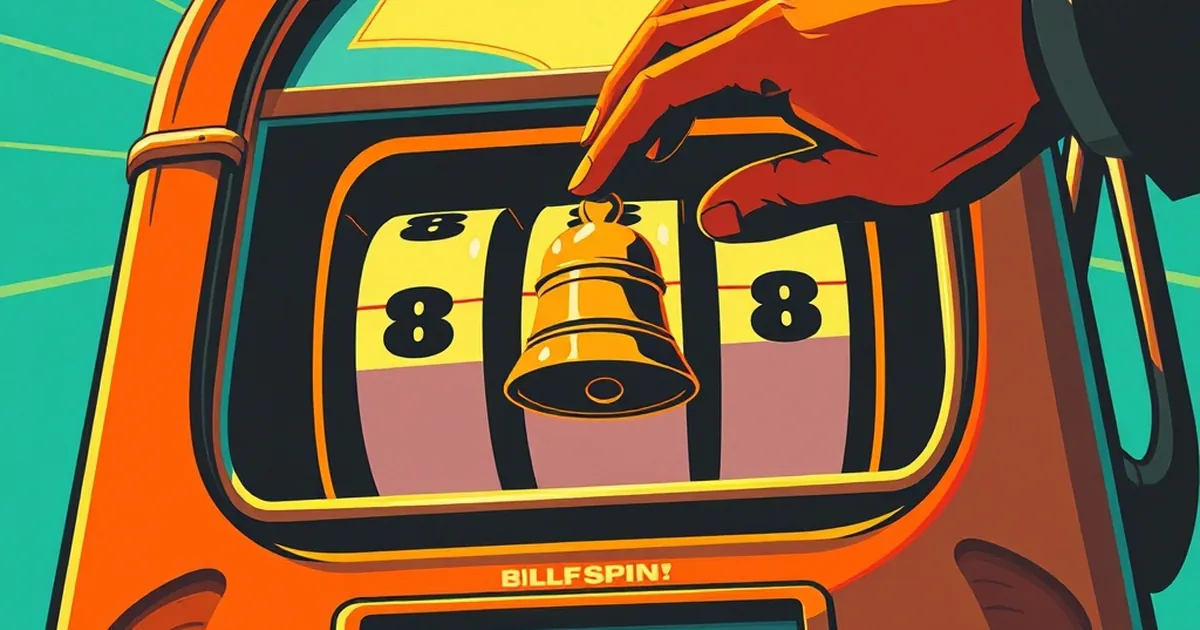
A slot machine that shows two matching symbols and a third just out of reach is engineered to sting. But what happens when the same near-miss feedback appears in a game that requires actual skill—aim, timing, pattern recognition—rather than pure luck? A 2023 study by researchers at the University of Waterloo's Gambling Research Lab found that adding near-miss animations to a skill-based target game increased replay attempts by 27% compared to a version without those animations. The finding complicates a comfortable assumption: that skill games are inherently safer because the player's decisions matter.
The Blur Between Skill and Chance
The distinction between skill and chance games has long served as a regulatory and cultural dividing line. Skill implies agency, practice, improvement. Chance implies surrender. But behavioral research suggests the line is thinner than we like to think. In the Waterloo experiment, participants played a dexterity-based game where success depended on timing a moving cursor. Near-miss animations—a cursor that stopped just short of the target, a flash of "almost"—were inserted randomly. Players who saw them tried again more often, even though their actual skill level hadn't changed.
The mechanism is familiar from B.F. Skinner's work on variable-ratio reinforcement: unpredictable rewards and near-rewards sustain behavior more effectively than predictable ones. Near-misses function as what researchers call "frustrative non-reward"—close enough to feel achievable, far enough to sting. The sting is the point. It motivates another attempt.
Why Near-Misses Work on Skilled Players
You might expect skilled players to be immune. They know the game's mechanics. They can distinguish a genuine near-miss from a manufactured one. But the Waterloo data showed the opposite: experienced players were more susceptible to the replay effect, not less. The researchers suggest this is because skilled players attribute near-misses to their own execution rather than to chance. "I was off by a frame" feels like a fixable error. That attribution—internal, controllable, specific—is precisely what makes the next attempt feel worthwhile.
This connects to Kahneman and Tversky's work on loss aversion. A near-miss is a loss that feels like it was almost a win. The psychological weight of that "almost" is heavier than a clean failure, and the urge to erase it is strong.
The Competitive Play Overlap
Skill games with near-miss feedback aren't confined to arcades or mobile apps. Competitive gaming, esports training tools, and even some educational platforms use similar mechanics to drive engagement. The question is whether the 27% replay bump represents healthy practice or something closer to compulsion. The difference may lie in feedback design: a near-miss that communicates actionable information ("your timing was 40ms late") supports learning. A near-miss that communicates only emotional proximity ("so close!") does not.
What Designers and Players Should Watch For
Forward-looking, the practical question is one of transparency. If a game's near-miss animations are cosmetic rather than informational, players deserve to know. Several researchers have proposed a simple design test: remove the animation and ask whether the player's understanding of their performance changes. If it doesn't, the animation is doing emotional work, not pedagogical work.
For players, the useful habit is a post-session audit. Did you replay because you had a specific correction in mind, or because the last attempt felt unfinished? The distinction matters more than any single outcome. Skill is real. So is the pull of an almost.