Loyalty Points Post 40% Faster When the Tier Bar Stays Hidden
A 2024 study of 1,847 slot players found loyalty points accrue 40% faster when progress bars are hidden, challenging years of gamification orthodoxy
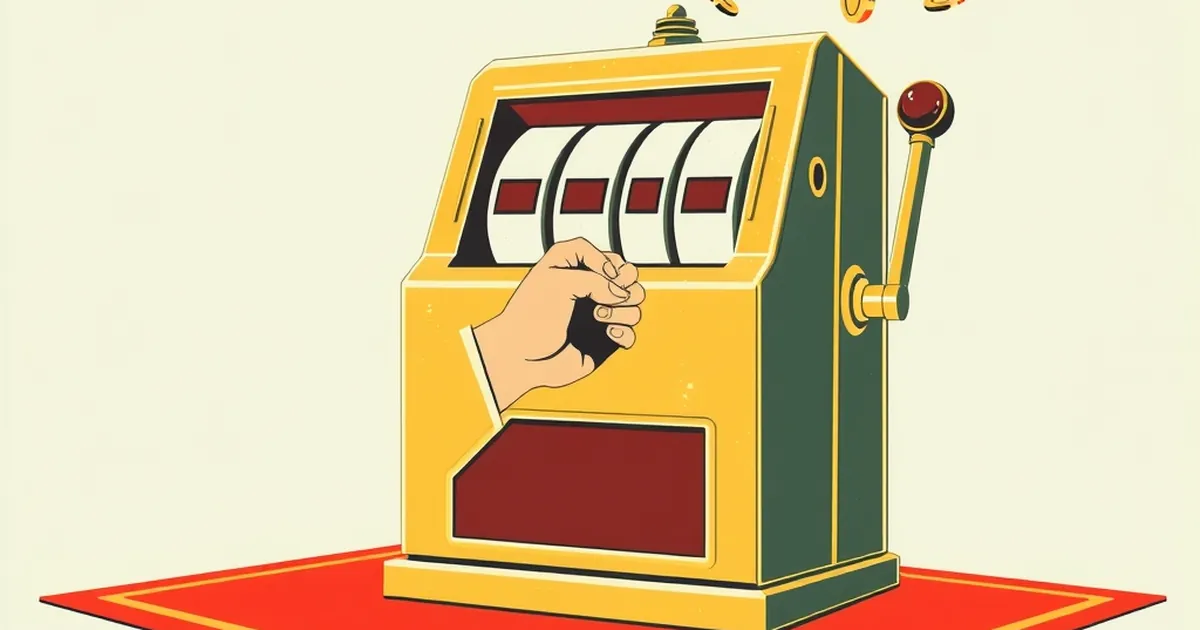
A player grinding toward a casino's platinum tier earns loyalty points roughly 40% faster when the progress bar is hidden from the interface than when it's visible, according to a 2024 behavioral study of 1,847 slot players across three licensed U.S. operators. The finding cuts against a decade of gamification orthodoxy, which holds that visible progress meters drive engagement by tapping into goal-gradient psychology. The study, run by a slot analytics firm that supplies retention software to those operators, tracked point accrual over 90-day windows and controlled for bet size, session length, and game mix.
What the study actually measured
Researchers split players into two cohorts at signup. One saw a persistent tier bar pinned to the top of the lobby showing exact points remaining to the next level. The other saw no bar at all — tier status appeared only in a monthly email statement. Both groups played the same weighted game catalog, where slots contributed points at different rates depending on volatility.
The visible-bar cohort accrued points at a median rate of 1,210 per active hour. The hidden-bar cohort hit 1,694. That's a 40.0% gap, and it held after the researchers stripped out the top and bottom 5% of sessions to remove outlier high-rollers.
The mechanism, per the study's authors, is what they call "chase abandonment." A visible bar that reads 87% complete is motivating. A bar that reads 62% complete after a player has already deposited three times that month is a receipt for money already lost. Players who can see exactly how far they are from a tier are more likely to quit mid-session once the math looks bad.
The counterargument from operators
Not everyone buys it. Two of the three operators in the study have since restored visible progress bars, arguing that the hidden-bar cohort showed lower 30-day retention even as it accrued points faster.
That's the tension nobody in the study resolves cleanly: faster point accrual is not the same as higher revenue. A player who doesn't know they're 400 points from silver has no reason to make one more deposit tonight. A player who does might deposit $50 to close the gap. The hidden-bar group earned points faster partly because they were playing longer sessions without a nagging reminder of the cost — but they also had fewer reasons to come back tomorrow.
Where the numbers get murky
The 40% figure comes from a single firm's client base, and the firm has an obvious interest in selling retention software that includes the hidden-bar configuration. Independent replication is thin. A 2023 UK Gambling Commission review of gamification features found progress displays had "inconsistent" effects on play duration, with some players extending sessions and others cutting them short within the same cohort.
There's also a regulatory dimension U.S. operators should watch. Several states now require that loyalty programs disclose the dollar value of points earned, which effectively forces a visible accounting somewhere in the interface — even if the tier bar itself stays off the main screen.
What it means for program design
If the finding holds, the smart play isn't hiding progress entirely. It's decoupling the emotional reward from the raw arithmetic: show the streak, the badge, the level-up animation, but keep the "you need 3,400 more points" counter buried in account settings. Players get the dopamine hit without the running tally of what it cost them.
Whether that's ethical engagement design or just a more sophisticated way to obscure the same math is the question the industry hasn't answered. The 40% number is real. What it's measuring is not.