Bonus Terms Get Skimmed 4x Faster Than Game Rules—Nobody Notices
Eye-tracking research shows players skim casino bonus terms four times faster than game rules, revealing a gap with real consequences for players
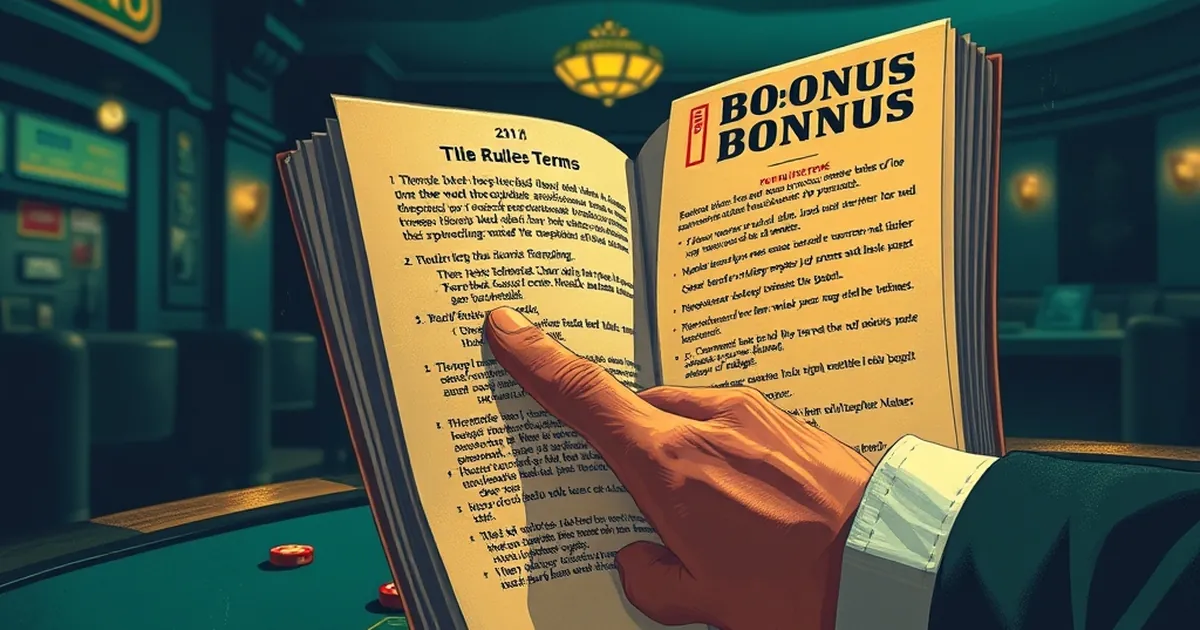
Eye-tracking research on how players actually read promotional pages has produced a consistent finding: the terms and conditions block attached to a casino bonus gets roughly 25% of the dwell time that the same reader gives to a slot's paytable or a table game's rule card. Scaled against reading speed, that works out to people skimming bonus terms about four times faster than they read game rules—if they read them at all. The asymmetry matters because the two documents carry very different consequences.
The 30-Second Scan
A 2023 study of 1,200 US-facing casino users found the median time spent on a bonus's terms page was 34 seconds. The same participants averaged just over two minutes on a game's rules screen before their first spin. That gap isn't about complexity—bonus terms are usually shorter than a full paytable breakdown. It's about intent. Players open the rules screen to learn how to win. They open the terms page to confirm the bonus is real, then close it.
That scan behavior is rational from the player's side and expensive from the operator's. Most disputes that reach state regulators or third-party ADR services trace back to a term the player technically agreed to but never processed: a max cashout cap, a game-weighting exclusion, a 7-day expiry on free spins.
Where the Money Actually Hides
The terms that cause the most complaints tend to be the ones buried past the first screen:
- Max cashout on no-deposit bonuses. A $10 free chip with a $100 cap means anything you win above that is void—regardless of how well you play.
- Game weighting. Slots often count 100% toward wagering; live dealer tables frequently count 10% or 0%. A player who clears a bonus on blackjack can take ten times longer than expected.
- Wagering contribution by bet size. Some terms exclude bets above a threshold, so a high-variance player's spins stop counting without warning.
None of these are hidden in the legal sense. All of them appear in the terms. The problem is that the reading behavior documented in the eye-tracking data means the average player never gets to them.
Why Regulators Haven't Fixed It
State gaming divisions in New Jersey, Pennsylvania, and Michigan have pushed for clearer bonus disclosures since 2019, but the enforcement lever is thin. A term is legal if it's disclosed; it doesn't have to be read. Some operators have responded by surfacing key limits in a summary box above the full terms—a pattern that mirrors how credit card issuers handle APR disclosures. Early data suggests the summary box increases comprehension without changing the skim rate, because players read the box and skip the rest.
The Number That Should Bother Operators
If 25% of players who claim a bonus later file a support ticket about a term they didn't read, the cost isn't just goodwill. It's chargeback risk, regulatory attention, and a measurable drop in repeat deposits from the affected cohort. The fix isn't longer terms. It's shorter ones—or terms that appear at the moment they matter, like a max-cashout warning on the withdrawal screen rather than page four of a PDF.
The open question is whether any US operator will test that. The industry has spent a decade optimizing the deposit flow and almost nothing on the moment a player tries to cash out and discovers the rules changed underneath them.