Behind the Lights: Casino Shows That Lost Their Biggest Gamblers
Explore how high-stakes gamblers turned casino patrons became show producers, leading to dazzling yet disastrous financial collapses
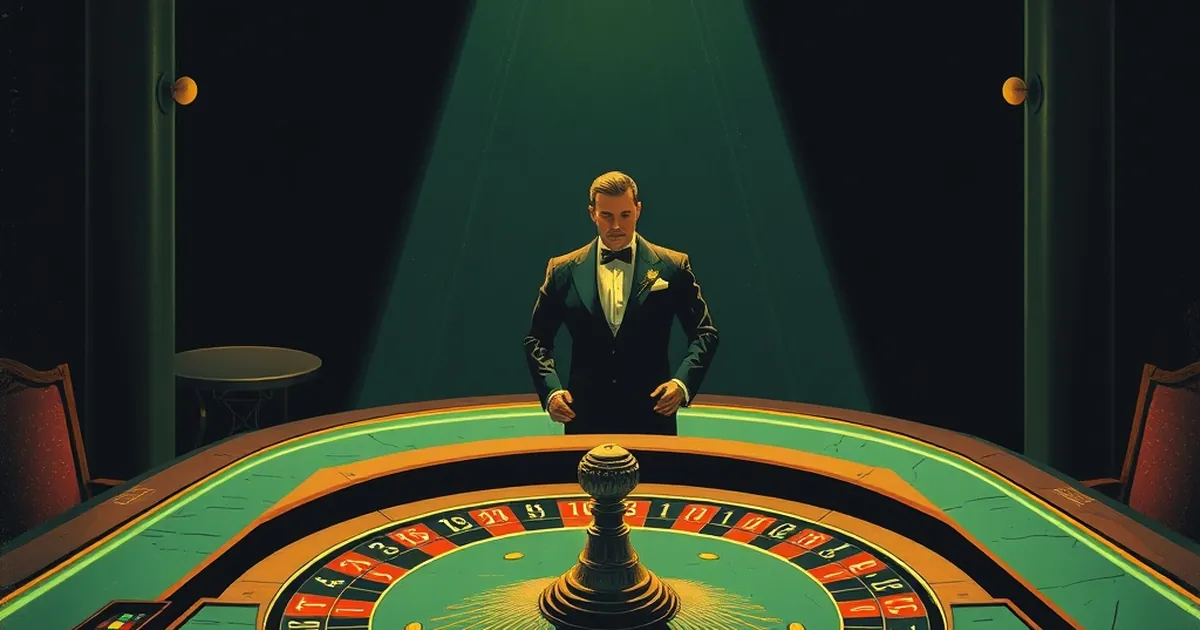
The bright lights of the Vegas Strip are designed to dazzle, but for a certain breed of high roller, the real show happens far from the stage. They are the whales, the titans of finance and industry who treat a weekend at the casino like a trip to the convenience store. But what happens when the biggest gamblers in the house stop betting on the tables and start betting on the house itself? When these patrons become producers, the line between spectator and spectacle blurs, often leading to spectacular financial collapses.
The Siren Song of Show Business
It’s a familiar story: a successful businessperson, flush with cash from a real estate deal or a tech IPO, comes to Las Vegas to relax. They get comped the penthouse suite, the private jet, and the personal butler. They lose a million dollars at the baccarat table with a shrug. The casino loves them. But the gambler starts to feel a different kind of itch. They don’t just want to play the game; they want to own the game.
When the Whale Becomes the Bankroll
This transition is where the trouble begins. A casino show, whether it’s a Cirque du Soleil production or a residency for a fading pop star, is a massive capital expense. The margins are razor-thin, and the risks are enormous. A high roller, accustomed to the adrenaline of a single hand of blackjack, sees the show as just another bet. They underestimate the operational complexity—the union contracts, the marketing costs, the nightly overhead that bleeds cash whether the seats are full or empty.
The Tale of the “Le Rêve” Debacle
One of the most instructive cautionary tales involves the production Le Rêve at the Wynn Las Vegas. While not a single gambler’s personal folly, the show was famously backed by a consortium of investors who were essentially high-stakes players betting on a dream. The original production was a critical darling but a financial sinkhole, hemorrhaging millions each month. The show’s biggest “gamblers” were the executives who kept pouring money in, hoping the next tweak to the choreography or the next marketing push would turn the tide. It took years and a complete creative overhaul before the show finally broke even, a lesson in patience that most impulsive gamblers simply do not possess.
The Invisible Cost of “The Show Must Go On”
The psychology is perverse. A gambler who will walk away from a $500,000 loss at a craps table because the “vibe is off” will stubbornly refuse to cut their losses on a theatrical production. Why? Because a show is a tangible asset. It has a name, a cast, and a physical set. Shutting it down feels like a public admission of failure, far more humiliating than a quiet loss on the casino floor.
This creates a dangerous feedback loop:
- The Ego Trap: The gambler-turned-producer refuses to admit the project is a bad bet.
- The Sunk Cost Fallacy: They double down, spending more on marketing and renovations.
- The Final Curtain: The cash runs out, the theater goes dark, and the whale is left with nothing but a tax write-off and a bruised ego.
The Smart Money’s Exit Strategy
So, what’s the practical takeaway for the savvy Vegas visitor or the aspiring investor? Never fall in love with your bet.
Whether you’re buying a chip at the roulette table or funding a Broadway-bound musical, treat it exactly the same. Set a hard limit on your total exposure before you start. If the show isn’t selling tickets by the third month, it’s a loser. Walk away. The Strip will still be there tomorrow, glowing and waiting for your next wager. The key is to be the house, not the whale, even when you’re sitting in the front row.